
When I first started gardening on a slope, I honestly felt overwhelmed. Water kept running off, soil shifted after rain, and planting felt tricky. But once I stopped fighting the slope and started designing with it, everything changed.
A sloped garden can actually become one of the most beautiful and dynamic parts of your yard it just needs the right approach. Here are 7 sloped garden ideas that I’ve personally tried (or wish I had tried sooner), along with practical tips that truly work.
1. Create Tiered Garden Beds (Terracing)
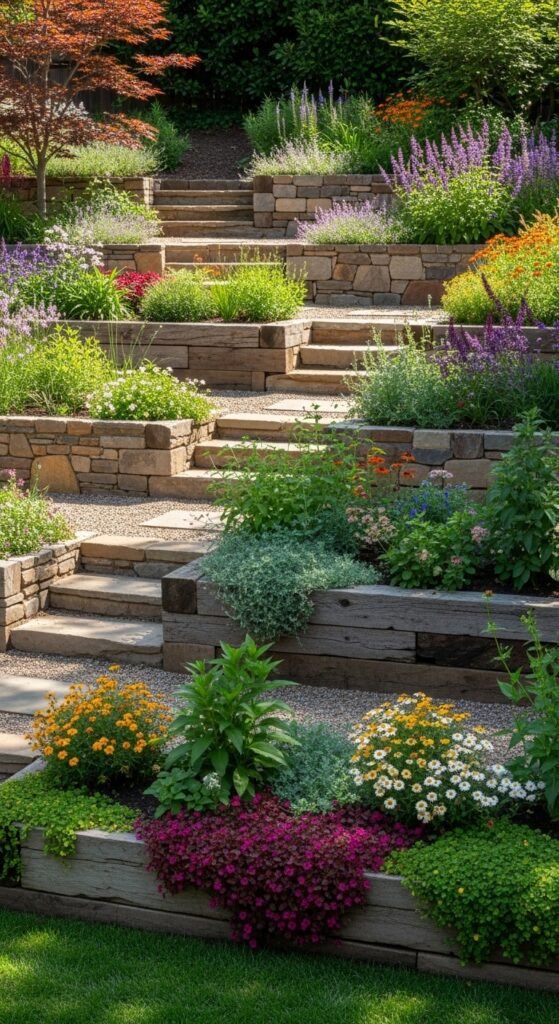
The biggest upgrade I made was turning my slope into tiered levels. Instead of one steep incline, I built small flat sections using bricks and wood.
Why this works:
- Stops soil erosion
- Makes planting easier
- Creates a structured, designer look
I planted flowers on the upper tiers and herbs on the lower ones. It instantly made the space more usable and visually appealing.
2. Use Ground Covers to Control Erosion
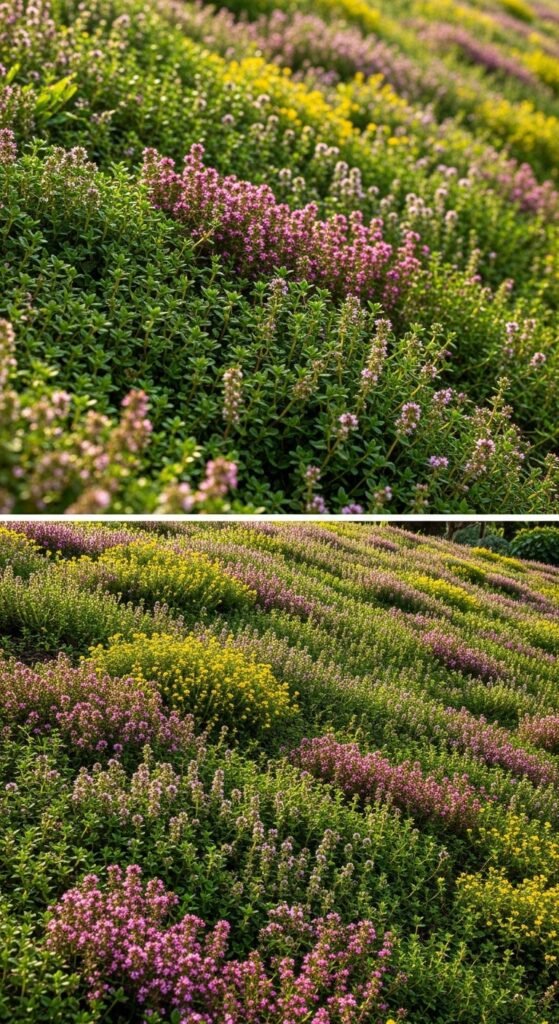
Before doing anything major, I started with ground cover plants—and they made a huge difference.
My go-to plants:
- Creeping thyme
- Sedum
- Ajuga
- Vinca minor
These spread across the soil and hold it in place. After one season, I noticed far less soil washing away during rain.
3. Install Stone Steps for Easy Access
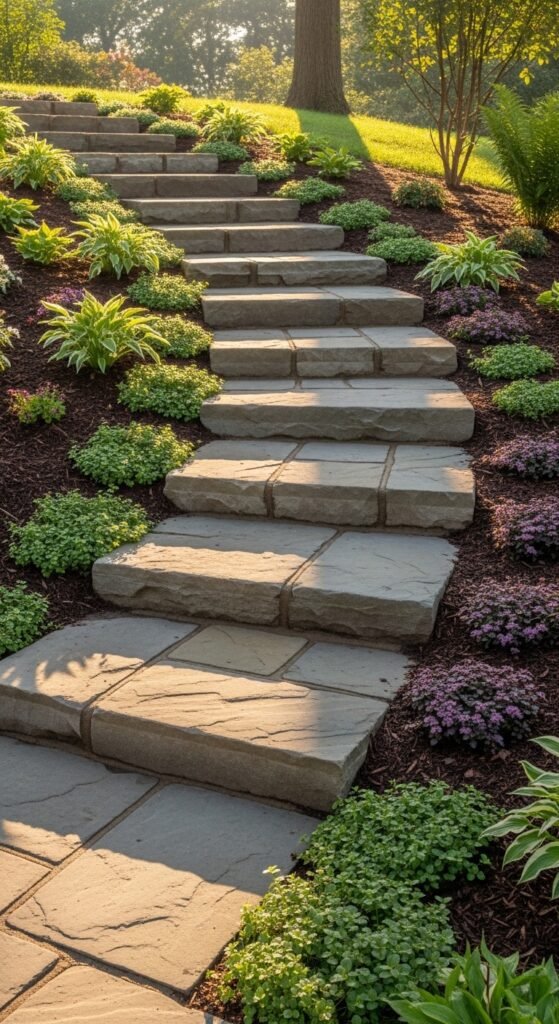
Walking up and down a slope can be annoying (and unsafe). Adding steps made my garden not only practical but also beautiful.
I used natural stone stepping slabs, but what really helped was using a landscape step installation kit (like those with leveling grids and anchors available on Amazon). It made the process easier and ensured the steps stayed stable over time.


Why I recommend this:
- Safer movement on slopes
- Prevents slipping during rain
- Adds a professional landscape look
Now my garden feels like a proper pathway instead of a hill I have to climb.
4. Build a Rock Garden on the Slope
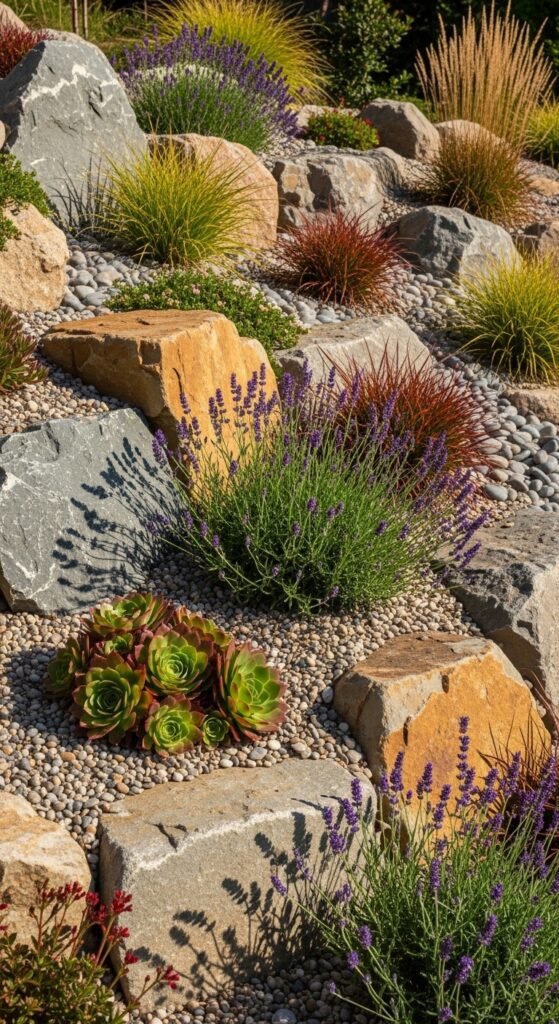
One of the easiest and most low-maintenance ideas is turning the slope into a rock garden. I placed large stones across the slope and planted drought-tolerant plants between them.
Best plants for this:
- Succulents
- Lavender
- Ornamental grasses
- Alpine plants
The rocks slow down water flow and give the garden a natural, rugged look. Plus, it requires very little watering.
5. Add a Retaining Wall for Structure
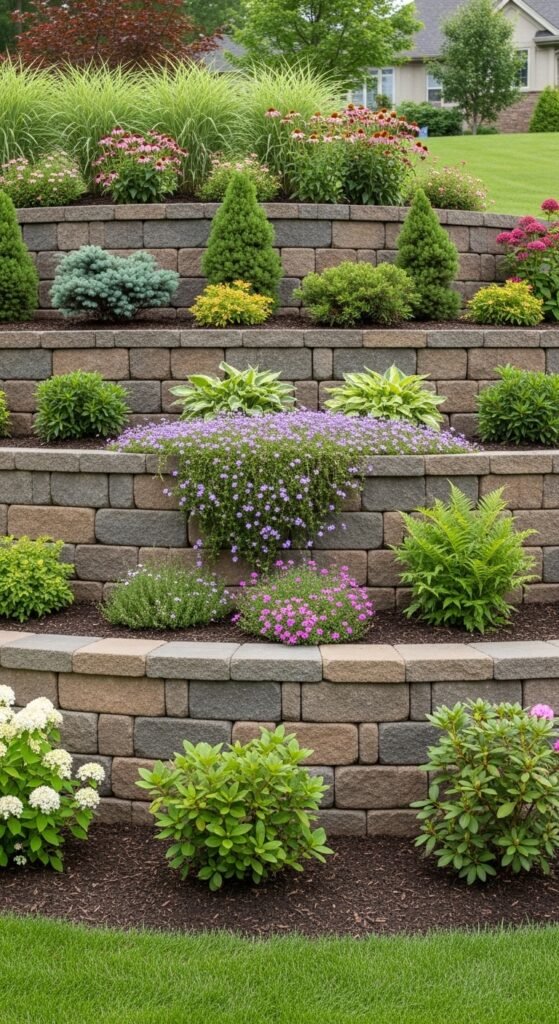
For steeper areas, I realized that a retaining wall is almost essential. It holds soil in place and creates flat planting areas.
I used interlocking retaining wall blocks, and honestly, choosing a DIY retaining wall block system from Amazon made the job much easier. These are designed to fit together securely without complex construction.
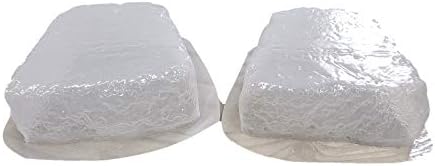



Why this helped me:
- Prevented soil collapse
- Created neat garden sections
- Made the slope usable for planting
It’s one of the most practical investments I made in my garden.
6. Plant a Cascading Flower Garden
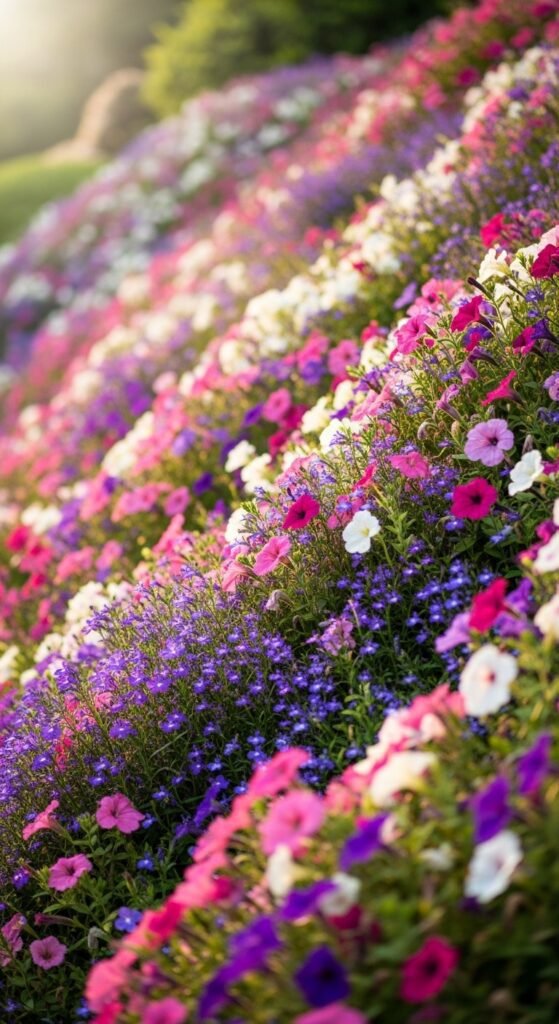
One of the most beautiful things about a slope is how flowers can cascade downward naturally. I planted trailing and spreading flowers, and the effect was stunning.
My favorites:
- Petunias
- Verbena
- Lobelia
- Creeping phlox
When they bloom, it looks like a waterfall of color flowing down the slope.
7. Install a Simple Drip Irrigation System
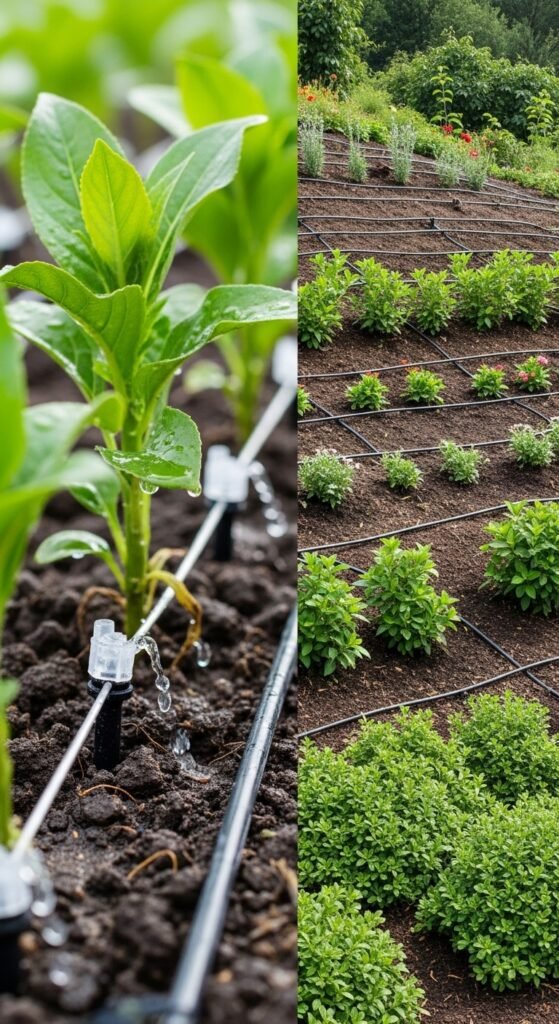
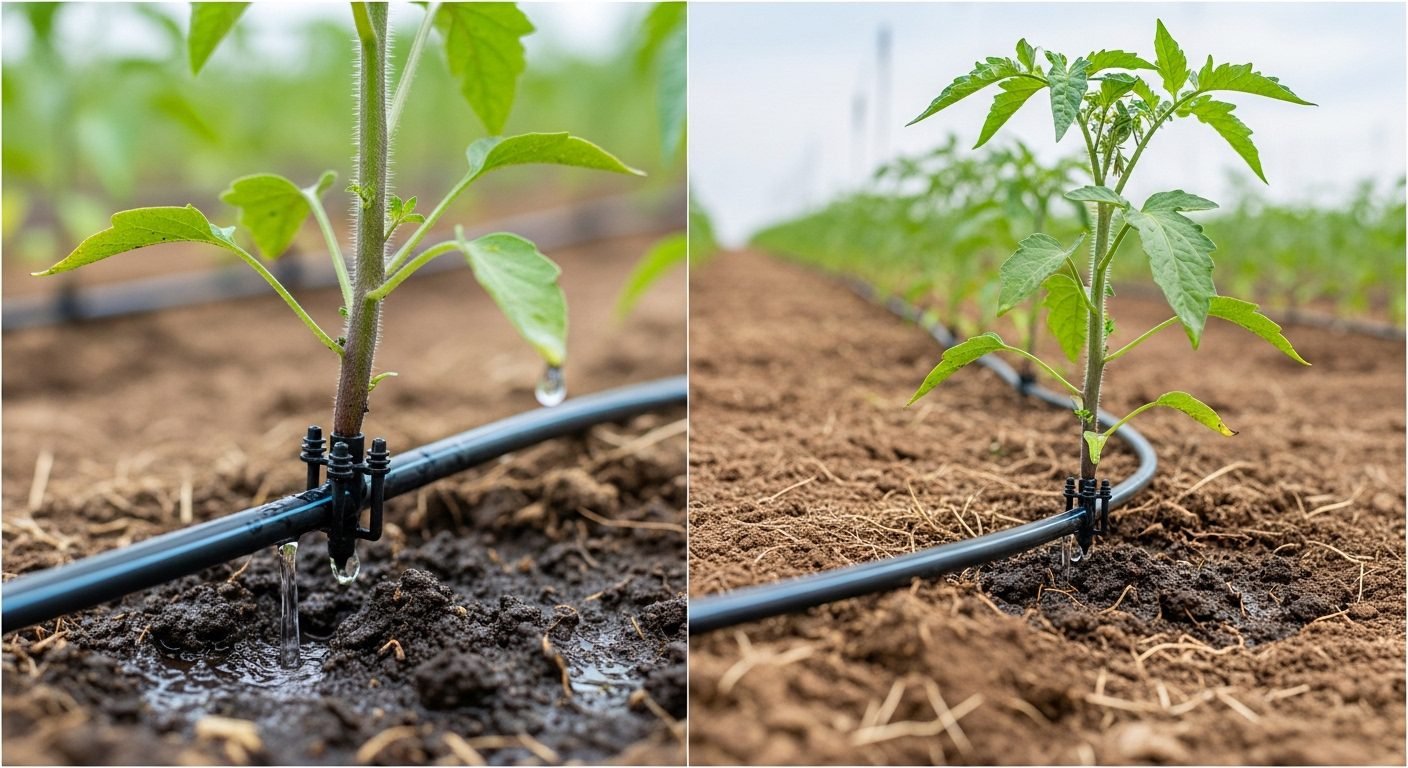
Watering a sloped garden used to be frustrating because water would just run downhill. Switching to a drip irrigation system kit completely changed that.
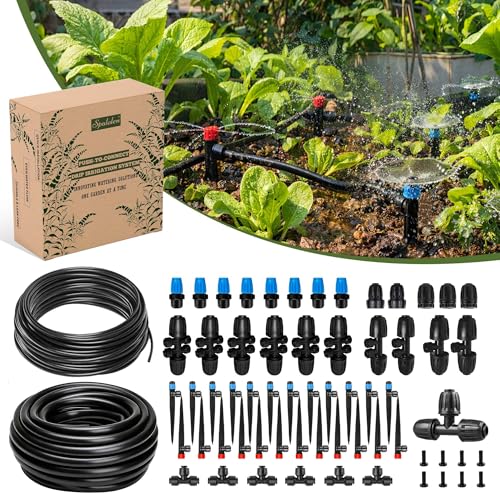
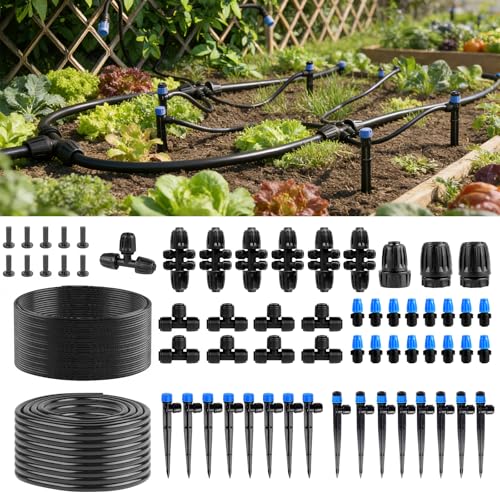

I installed a basic Amazon drip irrigation kit, and it:
- Delivers water directly to roots
- Prevents runoff
- Saves water
- Keeps plants healthier
This was one of the smartest upgrades I made—it took the stress out of watering completely.
Final Thoughts
A sloped garden might seem difficult at first, but it can actually become your garden’s most interesting feature. Once I started using techniques like terracing, ground covers, and proper watering systems, everything became easier—and more beautiful.
Instead of seeing a slope as a problem, I now see it as an opportunity to create layers, movement, and unique design.
Start small—maybe with ground covers or a few steps—and build from there. Over time, your sloped garden can turn into a stunning, multi-level landscape that feels both natural and thoughtfully designed 🌿