

The snake plant (Sansevieria) is one of the easiest and most forgiving indoor plants out there. With its striking, upright leaves and air-purifying qualities, it’s no surprise that it’s a favorite among both beginner and seasoned plant enthusiasts.
But even though snake plants are low-maintenance, watering mistakes are one of the top reasons they struggle or die.
This detailed snake plant watering guide will help you understand exactly how, when, and how much to water your snake plant, whether it’s indoors or outdoors so your plant thrives year-round.
🪴 Understanding the Snake Plant’s Natural Habitat
To master watering, it helps to know where snake plants come from. Native to the arid regions of West Africa, snake plants are adapted to survive long dry periods. Their thick, fleshy leaves store water — much like succulents.
That means they’re far more likely to suffer from overwatering than underwatering.
In other words, if you’re unsure whether to water — it’s better to wait.
💧 How Often Should You Water a Snake Plant?
A healthy snake plant watering schedule depends on three main factors:
- Season & Temperature:
- In spring and summer, snake plants actively grow, so watering once every 2–3 weeks works best.
- In fall and winter, when growth slows, cut watering down to once every 4–6 weeks.
- Light Exposure:
- Plants in bright light dry out faster and may need slightly more frequent watering.
- Those in low-light corners need less frequent watering.
- Pot Size & Soil Type:
- Smaller pots dry faster than large ones.
- A well-draining soil mix prevents soggy roots — the #1 cause of root rot.
✅ Pro Tip: Always feel the soil before watering. Stick your finger 2 inches deep — if it feels completely dry, it’s time to water. If it’s still damp, wait a few more days.
🌿 Signs Your Snake Plant Needs Water
Snake plants are pretty good at telling you what they need — you just need to observe the signs:
- Wrinkled or curling leaves: Your snake plant is thirsty.
- Soft or mushy leaves: Too much water.
- Yellowing leaves: Overwatering or poor drainage.
- Dry soil pulling away from the pot: Time for a drink!
If you notice dry soil and slight leaf wrinkles, water thoroughly until it starts to drain out of the bottom then empty any excess water from the saucer.
🪣 How to Water a Snake Plant Properly
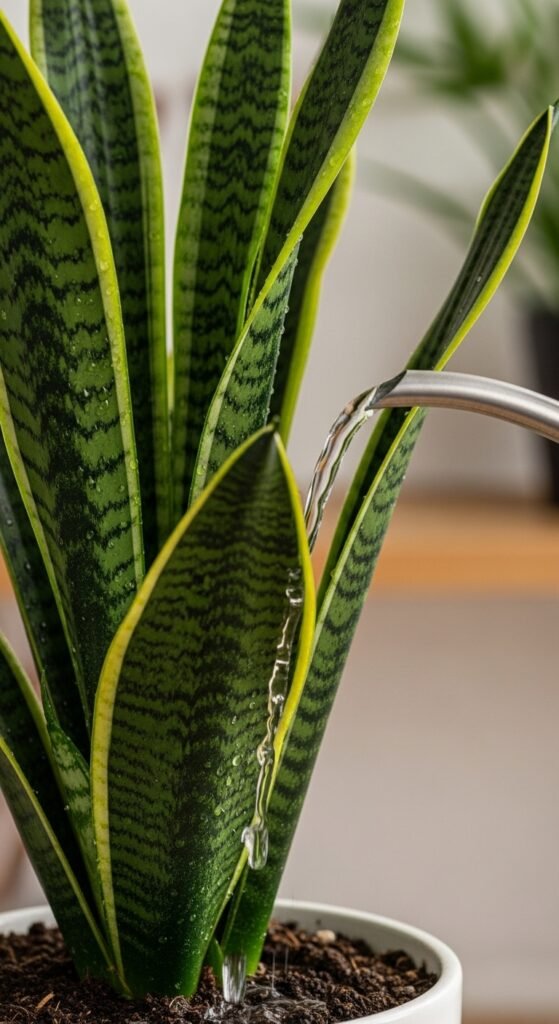
Here’s the correct step-by-step method most plant experts recommend:
- Use room-temperature water.
Cold water can shock the roots. - Water at the base.
Avoid pouring water directly onto the leaves. - Soak thoroughly, don’t mist.
Water until it drains out the bottom. Misting doesn’t hydrate roots properly. - Empty the saucer.
Never let your snake plant sit in standing water.
For busy plant parents, using a self-watering pot or moisture meter can be a game-changer (more on that below).
🧪 The Best Soil & Pot for Snake Plants
Snake plants love fast-draining soil and breathable pots.
Here’s what works best:
🪴 Recommended Soil Mix:
- 50% cactus/succulent mix
- 25% perlite
- 25% orchid bark or coarse sand
This combo ensures great aeration and prevents soggy roots.
🏺 Recommended Pot Type:
Choose pots with drainage holes.
Terracotta pots are ideal since they absorb excess moisture and keep the roots dry.
💡 Try: FoxFarm Ocean Forest Potting Soil — it’s organic, well-draining, and highly rated for succulents and snake plants.
For pots, the La Jolíe Muse Ceramic Planter Set is both breathable and stylish for indoor decor.
🧭 The Ideal Snake Plant Watering Schedule (Season-by-Season)
| Season | Frequency | Tips |
|---|---|---|
| Spring | Every 2–3 weeks | Start watering regularly as growth resumes. |
| Summer | Every 2–3 weeks | Check soil weekly; hot temps dry it faster. |
| Fall | Every 4 weeks | Reduce watering as growth slows. |
| Winter | Every 5–6 weeks | Minimal watering; let soil dry completely. |
Remember, these are general guidelines — your environment (humidity, light, pot size) matters too.
🌤 Indoor vs. Outdoor Snake Plant Watering
Indoor Snake Plants:
- Water every 3–4 weeks.
- Avoid cold drafts or AC vents.
- Rotate the pot occasionally for even light.
Outdoor Snake Plants:
- If in pots, water every 2 weeks during warm months.
- If planted in soil, rely on rainfall unless it’s very dry.
- Avoid letting rainwater pool around roots.
If you’re moving your indoor snake plant outdoor during summer, gradually increase sunlight exposure to avoid sunburn.
🧴 Best Watering Tools & Accessories (Tested & Trusted)
These are tried-and-tested tools that make watering your snake plant easier and safer — especially for beginners.
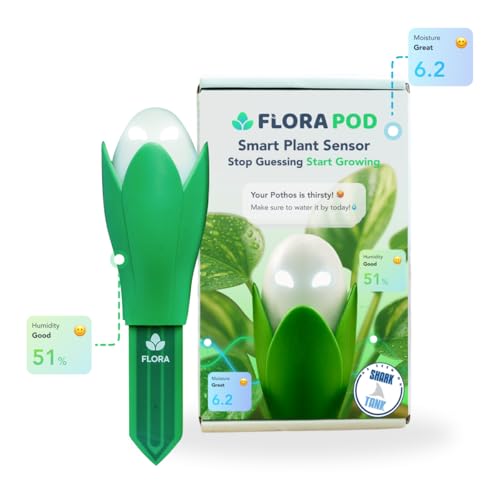
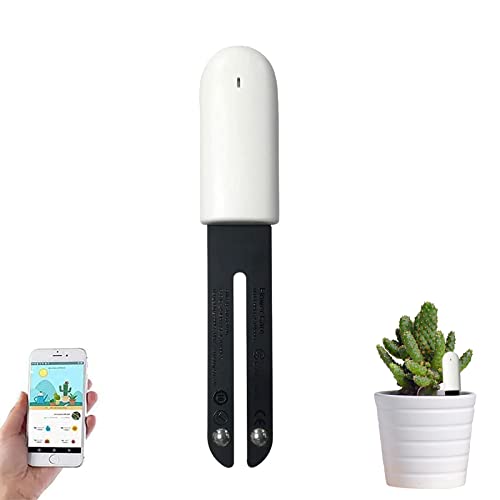
🌱 1. Xiaomi Smart Plant Monitor
This smart sensor tracks soil moisture and light levels, syncing to your phone. It helps prevent overwatering by alerting you when your snake plant actually needs a drink. A game-changer for forgetful plant owners.


💧 2. Moisture Meter by XLUX
Instead of guessing, this simple analog meter shows whether the soil is dry, moist, or wet. Perfect for snake plants since they hate wet feet.



🪣 3. Self-Watering Planter by Lechuza
These planters store excess water at the bottom and release it slowly as needed — perfect for travelers or those who forget to water regularly.


🌼 Common Snake Plant Watering Mistakes to Avoid
- Overwatering.
This is the #1 killer. Always let the soil dry completely first. - Using non-draining pots.
Standing water leads to root rot. - Misting leaves.
It promotes fungal growth; snake plants prefer dry leaves. - Cold water shocks.
Always use room-temperature water. - Not adjusting with seasons.
Less water in winter, more in warm months.
🌿 A Quick Note on Fertilizing (for Faster Growth)
Watering alone isn’t enough — your snake plant also needs nutrients to stay strong.
If you want faster, healthier growth, check out our in-depth guide on Fertilizing Snake Plants the Right Way for expert tips and the best fertilizers tested on real plants. 🌱
(← This is your internal link, naturally placed once for SEO & context flow.)
🌻 Expert Tips for Perfect Snake Plant Watering Routine
- Use rainwater or filtered water when possible — tap water can contain salts that build up in soil.
- If you’ve just repotted your plant, wait 7 days before watering to let roots adjust.
- Combine watering with light cleaning — wipe leaves gently to remove dust for better photosynthesis.
- Keep a watering log or reminder on your phone. Consistency matters!
🪴 Final Thoughts: Keep It Simple & Consistent
The secret to a healthy snake plant is balance — not too much water, not too little.
Follow this snake plant watering guide consistently, and your Sansevieria will reward you with strong, upright leaves and years of growth.
With the right tools, soil, and timing, anyone can master snake plant care — even beginners. So grab your moisture meter, set your reminders, and enjoy watching your snake plant thrive effortlessly.