
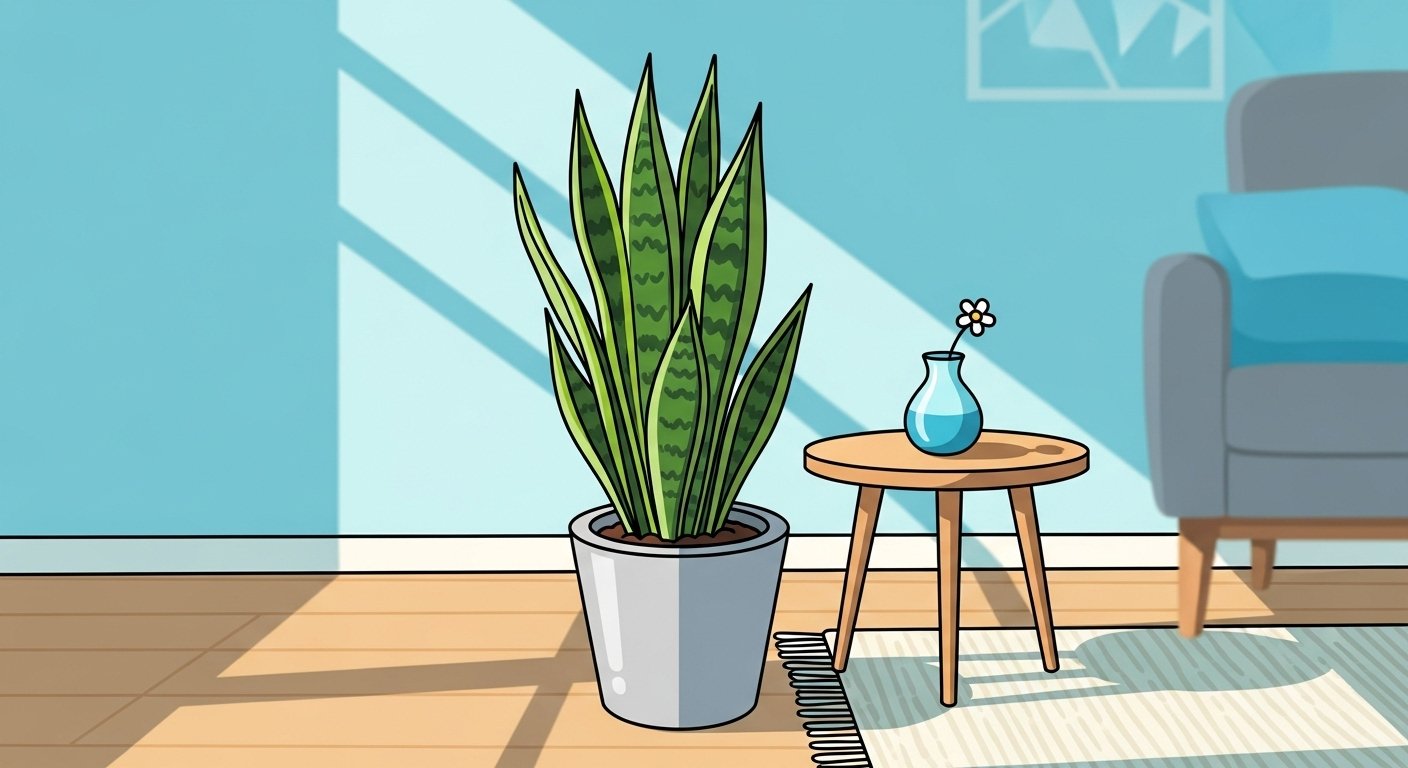
Few houseplants are as beloved or as forgiving as the snake plant. Known for its sculptural beauty and air-purifying powers, this hardy favorite thrives even when neglected. But with the right care, your snake plant won’t just survive it’ll flourish.
This guide walks through every essential element of snake plant care based on years of hands-on experience and tried-and-tested methods. It also shares some favorite tools and products (many available on Amazon) to make care even easier.
🌤 Understanding Your Snake Plant’s Needs
The snake plant (Sansevieria trifasciata) is native to West Africa, where it grows in dry, rocky conditions. Its thick, upright leaves are designed to store water, which explains why it’s so drought-tolerant.
However, that same resilience often leads people to forget about proper watering, sunlight, and soil all key to keeping it strong and vibrant indoors.
The golden rule? Treat it like a succulent, not a tropical plant. That means light, warmth, and minimal water are your best friends.
☀️ Light: Bright but Gentle
Snake plants adapt to low light, but they truly thrive in bright, indirect sunlight. A spot near an east- or west-facing window is ideal.
Avoid harsh direct rays that can scorch leaves, and don’t tuck it into a dark corner for too long—your plant may start leaning toward the light or lose its vivid color.
💡 Author’s experience: A snake plant placed near a window with sheer curtains grew twice as fast and developed deep green, healthy leaves compared to one kept in a dim hallway.
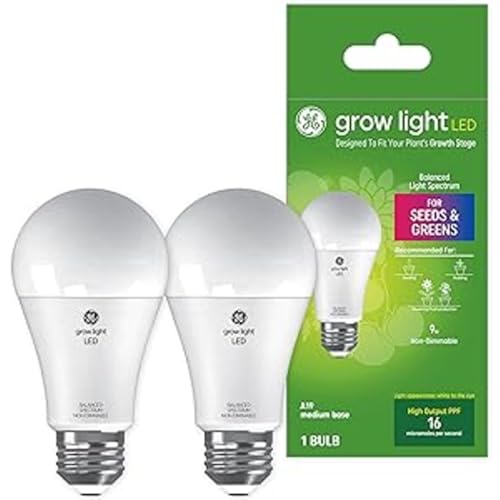
If your space lacks natural light, consider using a grow light such as the GE Grow Light LED bulb—a budget-friendly Amazon favorite that works perfectly for low-light homes.



💧 Watering: Less Is More
The #1 mistake snake plant owners make is overwatering.
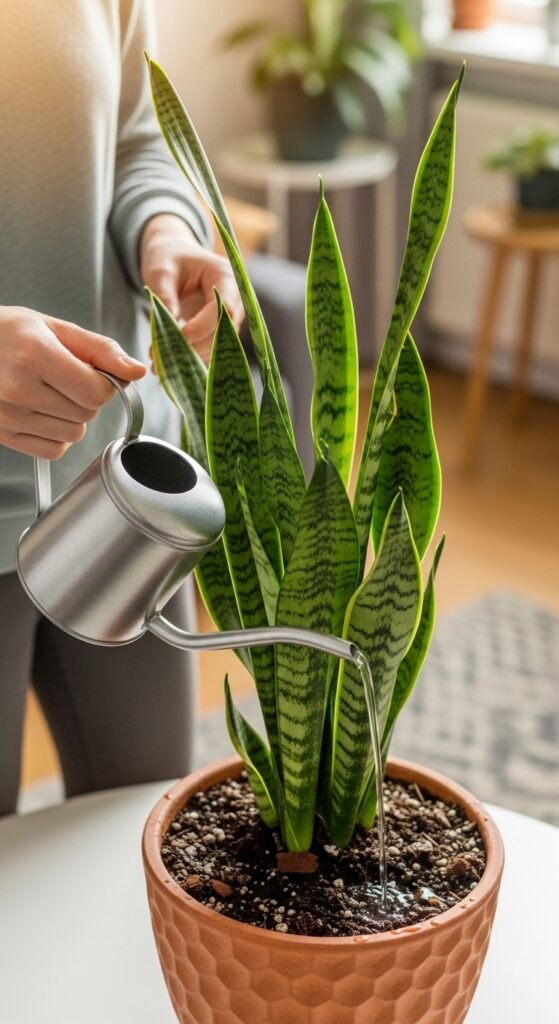
Always allow the top few inches of soil to dry completely before watering again. In most homes, that means watering roughly every 2–4 weeks, and even less during winter.
Use a pot with drainage holes and, if possible, place a terracotta saucer underneath to prevent excess moisture buildup.
💡 Pro tip: Use a simple moisture meter (like the XLUX Soil Moisture Meter on Amazon) to avoid guessing when to water. It’s an inexpensive tool that takes all the risk out of overwatering.
If you’re a chronic over-waterer, a self-watering planter might save your plant—and your nerves.
For a deeper dive into proper watering schedules and methods, explore your detailed post on
👉 Snake Plant Watering Guide: The Right Way to Keep Your Sansevieria Thriving.
🌱 Soil and Potting: Drainage Is Key
Snake plants love airy, well-draining soil. A succulent or cactus mix works beautifully.
If you’re making your own, mix equal parts of potting soil, coarse sand, and perlite.
Choose pots made of terracotta or unglazed ceramic, which absorb moisture and prevent soggy roots.
Avoid decorative pots without drainage—if you must use one, keep your plant in a nursery pot and slip it inside for looks.
When roots start circling the bottom or the plant becomes top-heavy, it’s time to repot. Usually every 3–5 years is perfect.
🌿 Fertilizing for Growth and Health
While snake plants don’t demand much feeding, a light boost during the growing season keeps them lush.
Use a balanced liquid fertilizer (such as the Miracle-Gro Indoor Plant Food) once a month in spring and summer.
💚 If you prefer natural options, try a DIY fertilizer using banana peels or compost tea for a chemical-free alternative.
For an in-depth look at feeding frequency, nutrient types, and natural vs. store-bought options, you can refer to
👉 How to Fertilize Your Snake Plant: A Practical, Trustworthy Guide.
🪴 Maintenance and Styling
Healthy care meets stylish design when you integrate your plant into your living space thoughtfully.
Regularly wipe leaves with a damp cloth to remove dust so they can photosynthesize efficiently. Trim any damaged leaves at the base with clean scissors.
When decorating, remember that placement enhances growth—a bright living-room corner or shelf can make a huge difference.
For inspiration, check out these creative styling ideas:
👉 5 Gorgeous Snake Plant Decor Ideas for Living Rooms That Instantly Upgrade Your Space.
🌸 Common Mistakes to Avoid
- Overwatering — causes root rot faster than anything.
- Using dense soil — suffocates roots and traps moisture.
- No drainage holes — water stagnates and rots the base.
- Ignoring light levels — too little light leads to droopy or pale leaves.
When issues arise, cut back water, move to brighter light, and refresh the soil mix. Snake plants bounce back quickly with small adjustments.
🌼 Final Thoughts
The snake plant is the ultimate “set it and forget it” houseplant—but even low-maintenance plants appreciate a little attention.
With proper light, smart watering, the right potting mix, and occasional feeding, your Sansevieria will thrive for years, purify your air, and look gorgeous in any room.
Whether you’re nurturing a new cutting or styling a mature plant, caring for it properly will reward you with one of the most elegant and enduring houseplants you can own.