

If you love snake plants (Sansevieria) for their sculptural beauty and easygoing nature, you’ll be thrilled to know you can propagate them easily in soil no fancy equipment needed. While water propagation is visually satisfying, soil propagation creates stronger, more resilient plants from the start.
Whether you’re expanding your collection or gifting a baby snake plant to a friend, this guide walks you through how to propagate a snake plant in soil the right way with personal tips, product recommendations, and expert care advice.
If you prefer the water method, check out our related guide: How to Propagate a Snake Plant in Water – The Complete Guide.
🌱 Why Choose Soil Propagation?
While propagating in water lets you watch roots form, soil propagation has its own advantages:
- Roots grow stronger and adapt better to soil conditions.
- There’s less transplant shock compared to water-rooted cuttings.
- It’s low-maintenance—no need to change water or watch for rot.
Soil propagation mimics nature. It’s ideal for plant parents who want a “set it and forget it” approach.
✂️ Step 1: Choose a Healthy Leaf
Start with a mature, healthy snake plant leaf—preferably one that’s firm and free from discoloration. Using clean pruning shears or scissors, cut a 4–6 inch section from the base.
💡 Tip: Always remember the leaf’s orientation! The bottom end (closer to the roots) should go into the soil—mixing up directions prevents rooting.
🌿 Step 2: Let the Cuttings Callous
After cutting, allow your snake plant sections to dry for 1–2 days before planting. This helps the cut end form a callous, preventing rot when inserted into soil.
Set them on a paper towel in a warm, dry spot away from direct sunlight.
🪴 Step 3: Choose the Right Soil
Snake plants need a well-draining mix—too much moisture leads to root rot.
You can use a cactus or succulent soil mix, or create your own by combining:
- 2 parts potting soil
- 1 part perlite or coarse sand
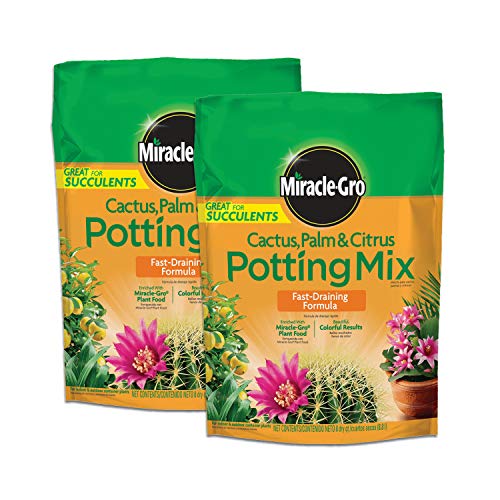
💡 Affiliate Pick: The Miracle-Gro Cactus, Palm & Citrus Potting Mix (available on Amazon) is a great choice it drains well and provides the ideal texture for root growth.


🌤️ Step 4: Plant Your Cuttings
Insert each leaf cutting about an inch deep into the soil, making sure the base is firmly in contact with the soil surface. You can plant several cuttings in one pot for fuller growth.
Gently press the soil around the base to secure the leaf upright. Avoid overpacking it needs airflow around the roots.
💧 Step 5: Water Carefully
Right after planting, lightly moisten the soil don’t soak it. Snake plants prefer dry conditions, so only water when the top 1–2 inches of soil feel dry.
💡 Affiliate Tip: A soil moisture meter, like the XLUX Soil Moisture Meter, helps avoid overwatering by accurately showing when your plant needs water. It’s affordable, reliable, and a must-have for new plant parents.



☀️ Step 6: Provide Proper Lighting
Place your propagated cuttings in bright, indirect light. Avoid direct sun, which can scorch the leaves. A spot near an east-facing window is ideal.
Keep temperatures moderate between 65°F to 80°F (18°C–27°C). Snake plants don’t like cold drafts or overly humid environments.
🌿 Step 7: Patience—Roots Take Time
Roots can take 4–8 weeks to develop. Be patient and avoid tugging on the cuttings to “check progress.” When new shoots appear from the base, it’s a clear sign your propagation worked!
At this stage, you can continue growing them in the same pot or separate them into individual containers for fuller displays.
🌼 Common Mistakes to Avoid
- Overwatering: The most common cause of rot—less is more.
- Poor drainage: Always use pots with drainage holes.
- Low light: Snake plants tolerate low light but root best in bright, indirect light.
- Skipping callous step: Planting fresh cuts too soon invites fungal issues.
🌸 Caring for Your Newly Propagated Snake Plant
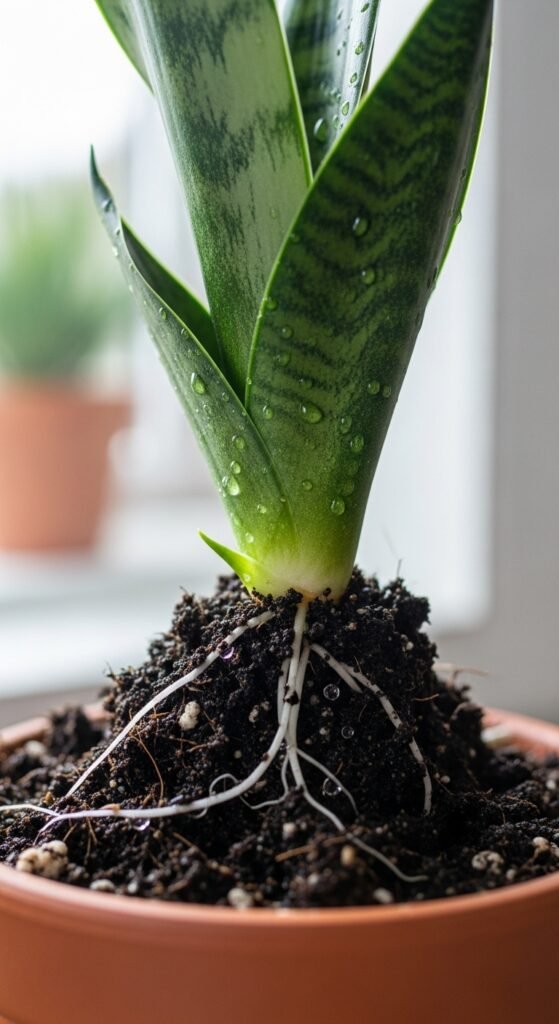
Once your new plants start growing, follow basic snake plant care habits:
- Water sparingly.
- Clean the leaves regularly to keep them dust-free.
- Fertilize once a month during the growing season with a mild natural fertilizer for snake plant.
For more detailed care steps, see our previous post on How to Propagate a Snake Plant in Water – The Complete Guide.
🌻 Final Thoughts
Propagating your snake plant in soil is a simple, rewarding way to grow more greenery for your home. With a bit of patience and the right setup, you’ll have strong, healthy plants that enhance your décor and purify your air.
Snake plants truly are the perfect blend of style, strength, and sustainability and soil propagation keeps it natural from the start.