
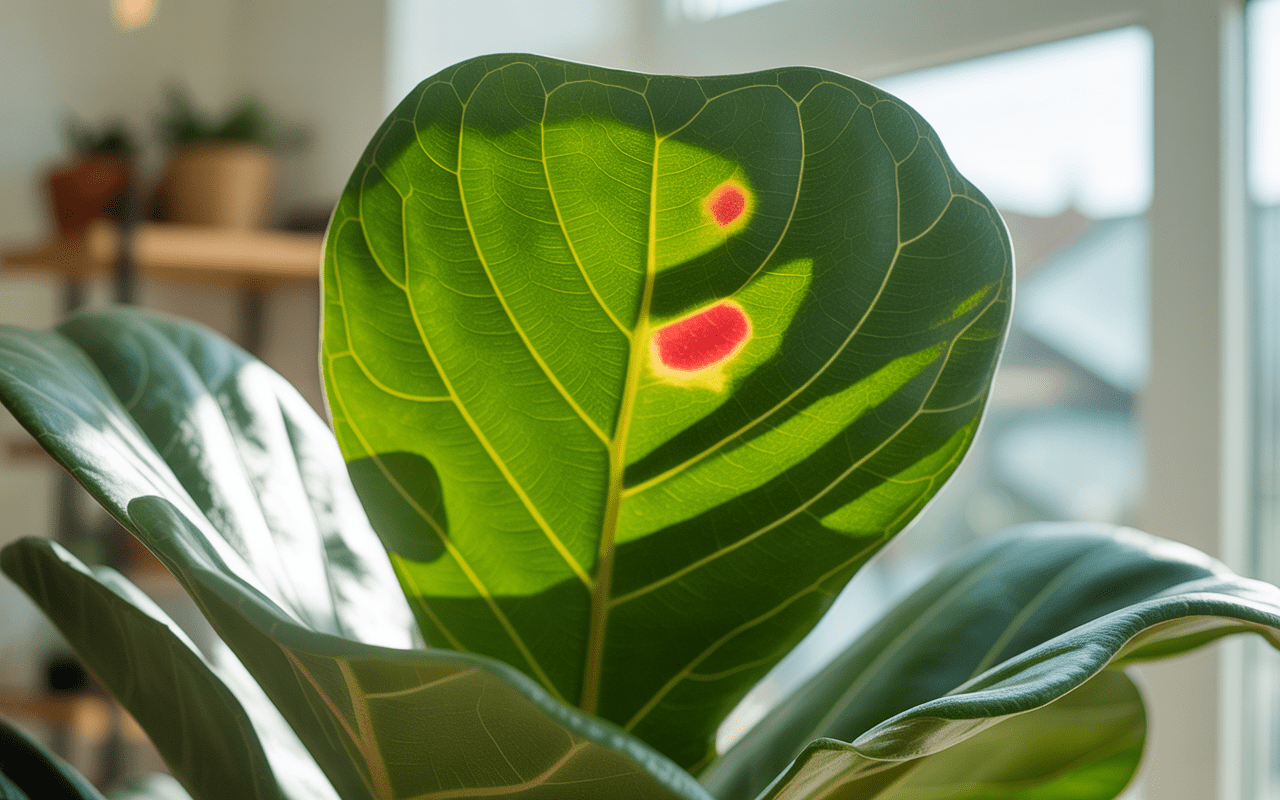
Seeing red spots on fiddle leaf fig leaves can be scary especially when the rest of the plant looks healthy. Most plant owners assume it’s a disease, but in many cases those reddish marks are simply your fiddle leaf fig reacting to stress. Understanding the real cause makes treatment much easier and prevents unnecessary panic.
This guide explains exactly what fiddle leaf fig red spots on leaves mean, the most common triggers, and practical steps to bring the plant back to perfect health.
What Do Red Spots on Fiddle Leaf Fig Leaves Mean?
Plant specialists explain that red or rusty spots are usually caused by edema—tiny cells bursting inside the leaf when the plant absorbs more water than it can use. It’s common in fiddle leaf fig (ficus lyrata), especially after inconsistent watering.
However, red spots can also appear because of:
- Overwatering or poor drainage
- Sudden changes in environment
- Low humidity
- Pest activity
- Nutrient imbalance
The key is to observe the pattern and overall condition of the plant.
1. Overwatering – The #1 Cause
Most cases of fiddle leaf fig red spots come from too much water sitting in the soil. When roots stay wet, pressure builds inside the leaves and tiny red dots appear.
How to fix it
- Let the top 2 inches of soil dry before watering
- Empty saucers after every watering
- Reduce watering during winter
Many experienced growers find that using a moisture meter makes this easier. A simple soil moisture gauge helps check root-level dampness instead of guessing with a finger.
👉 Helpful tool:
A soil moisture meter is one of the most reliable ways to prevent overwatering and stop red spots from returning.
2. Poor Drainage or Wrong Pot
Even perfect watering won’t help if the pot has no drainage holes. Waterlogged soil suffocates roots and leads to those rusty marks.
What helps
- Repot into well-draining soil
- Choose a pot with multiple drainage holes
- Avoid decorative pots without inner liners
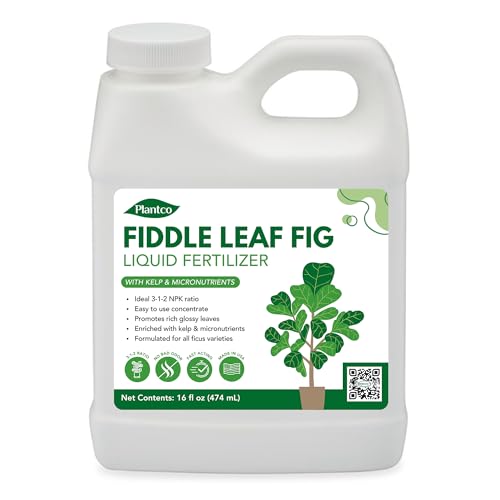
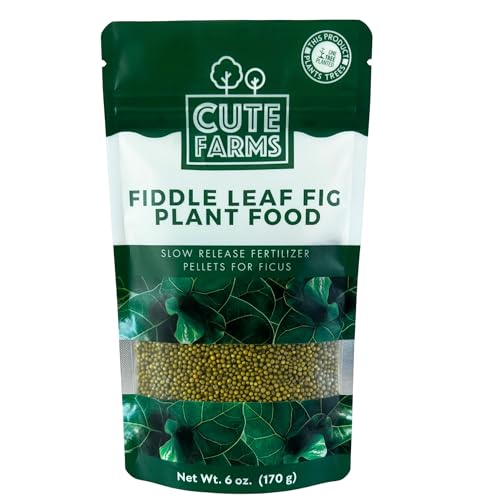
A quality indoor plant soil mix for fiddle leaf figs can make a noticeable difference because it contains bark and perlite that improve airflow.
👉 Useful option:
A well-draining fiddle leaf fig soil blend supports healthy roots and reduces edema issues.

3. Sudden Environment Changes
Moving the plant, turning on heating, or placing it near an AC vent can trigger red spotting. Fiddle leaf figs love stability.
Best approach
- Keep the plant in bright indirect light
- Avoid cold drafts
- Don’t relocate it frequently
4. Low Humidity
Indoor air—especially in winter—can be too dry. Dehydrated leaves are more prone to damage that shows up as red or brown marks.
Simple fixes
- Light misting in dry seasons
- Group plants together
- Keep away from heaters
5. Pests Can Mimic Red Spots
Spider mites and thrips sometimes leave reddish damage that looks like edema.
Check for
- Tiny webbing
- Sticky residue
- Yellowing around the spots
If pests are present, gentle leaf cleaning and neem treatments usually help.
Should You Remove Leaves with Red Spots?
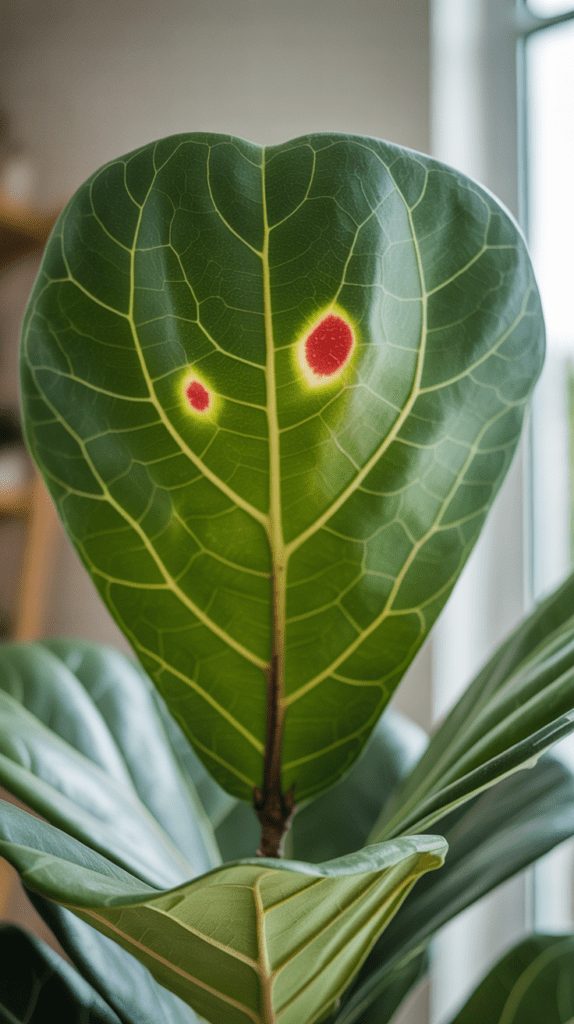
Experts suggest leaving them unless the leaf is mostly damaged. Light red spotting often fades as new growth appears and care improves. Cutting too many leaves can stress the plant more.
How Long Until the Plant Recovers?
With correct watering and drainage, most fiddle leaf figs stop developing new red spots within 2–4 weeks. Old marks may remain, but healthy green leaves will replace them.
Quick Care Checklist
- Water only when soil is partly dry
- Use a draining pot and airy soil
- Provide bright indirect light
- Keep conditions stable
- Inspect regularly for pests
Final Thoughts
Fiddle leaf fig red spots on leaves are usually a warning sign—not a death sentence. With small adjustments to watering and environment, most plants bounce back quickly. Patience and consistency are far more effective than drastic treatments.