
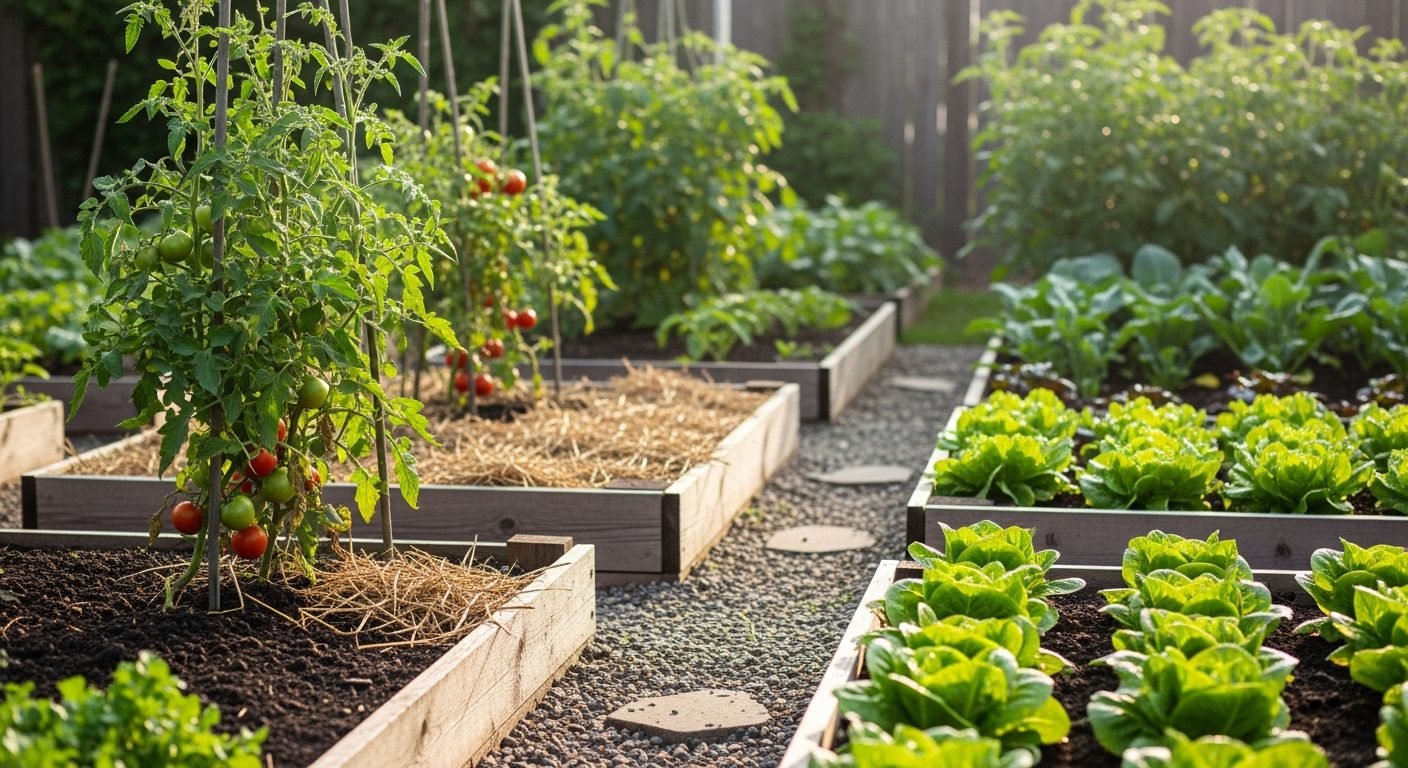
Growing vegetables without constantly pouring on synthetic fertilizer felt scary when I first tried it. I worried my tomatoes would be tiny and my cucumbers would taste bland. Instead, I discovered that a low-fertilizer approach created healthier soil, stronger plants, and better flavor. After several seasons of experimenting in my own backyard beds, I’ve learned that vegetables don’t need heavy feeding they need balance.
Below are the seven methods I personally rely on to keep my garden productive while using very little fertilizer.
I Start With Soil, Not Fertilizer
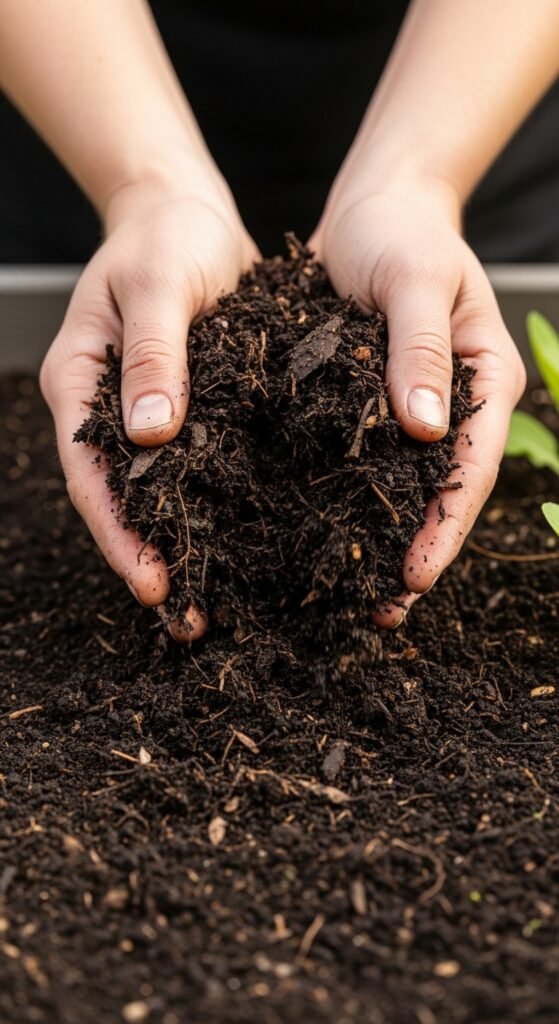
The biggest lesson I learned is that soil does the feeding—not the bag of fertilizer. When the soil is rich in organic matter, plants can access nutrients naturally.
Each spring I mix homemade compost into my beds instead of reaching for chemical feed. The difference in texture is amazing: the soil becomes dark, crumbly, and full of earthworms. Vegetables like lettuce and beans grow steadily without any extra boost.
To check whether my compost is “ready,” I use a simple compost thermometer I bought on Amazon. It helped me understand when the pile was fully broken down and safe for seedlings. After using it for two seasons, I honestly wouldn’t compost without one.
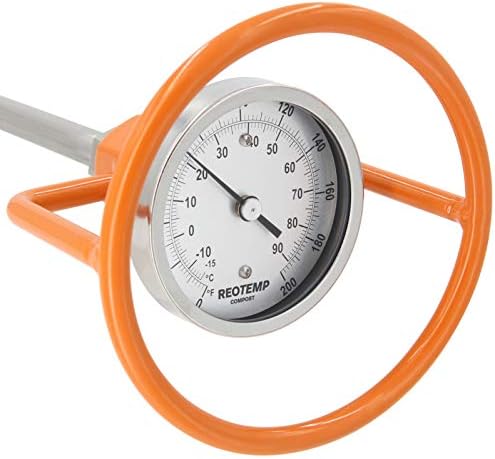
- 36″ Stem Length, Rugged All Stainless Steel Construction
- Heavy Duty 36″ Stem is Protected by an Extra Durable Steel Guard
- Made in the USA
Pro tip: Add just 1–2 inches of compost on top of beds rather than digging deeply. The soil life will pull it down naturally.
I Choose Vegetables That Don’t Demand Heavy Feeding
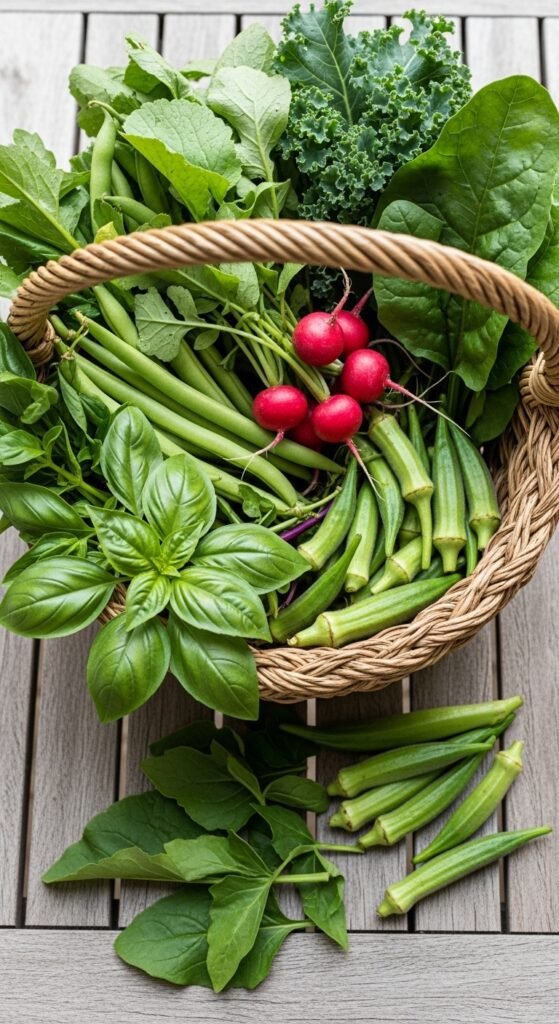
Some vegetables are naturally light feeders. When I focused more on these, my need for fertilizer dropped almost to zero.
Best low-fertilizer crops I rely on:
- Beans and peas
- Radishes
- Herbs like basil and mint
- Sweet potatoes
- Okra
- Most leafy greens
Heavy feeders like corn or large pumpkins are saved for the one bed where I do add a little organic feed.
I Use Mulch as My “Slow Fertilizer”
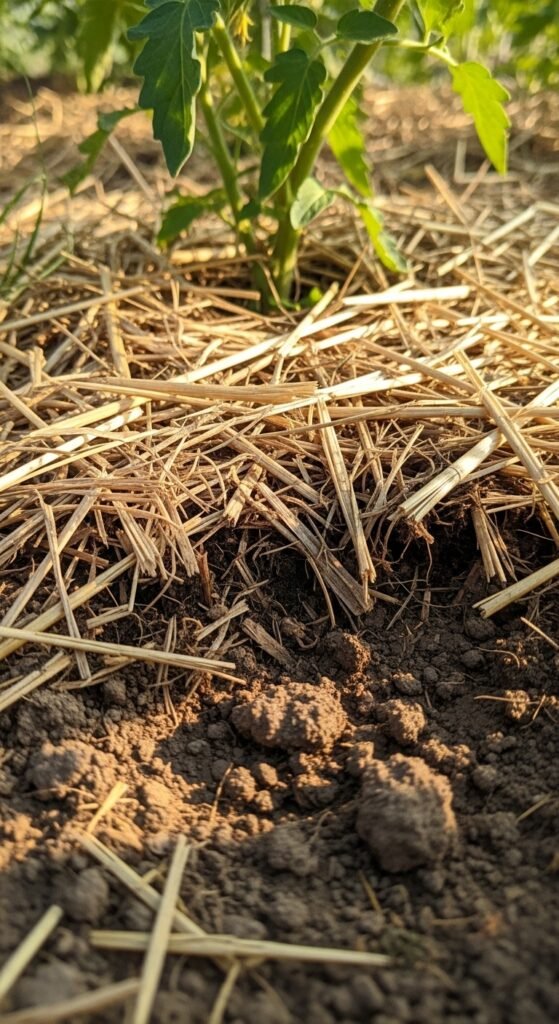
Instead of bottled nutrients, I let mulch feed my plants. Straw, dried leaves, and grass clippings slowly break down and release gentle nutrition.
After mulching my tomato bed last year, I noticed the soil stayed moist longer and the plants looked happier even during Pakistan’s hot afternoons. No extra fertilizer was needed all season.
I Add Only One Gentle Organic Boost
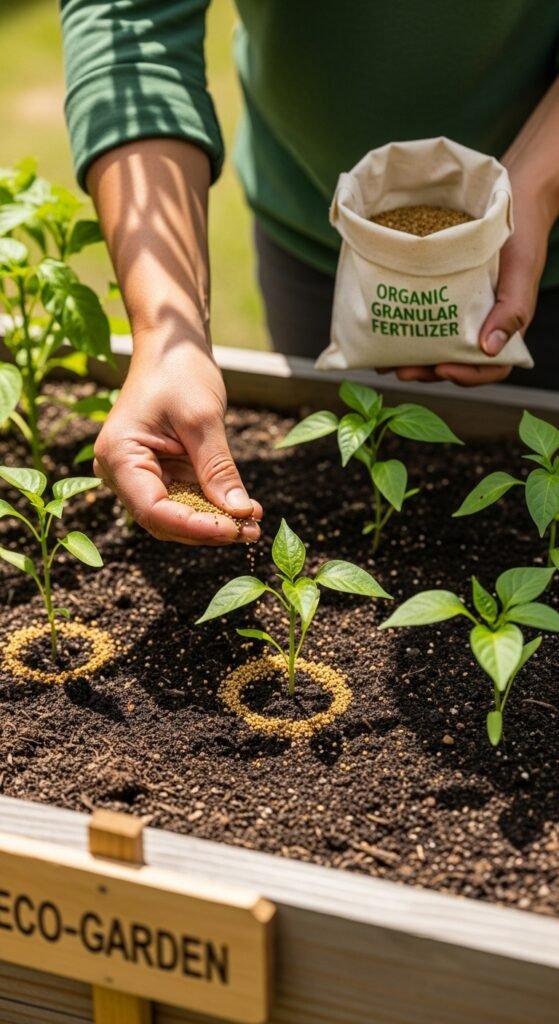
Rather than multiple products, I stick to a single mild amendment—usually worm castings or a low-nitrogen organic fertilizer. I sprinkle a handful around seedlings at planting time and that’s it.
I’ve been using an organic vegetable fertilizer from Amazon that’s low in nitrogen and high in trace minerals. What I like is that it doesn’t “burn” plants the way strong feeds can. My peppers produced steadily without the crazy leafy growth I used to get from synthetic fertilizers.

- All-Natural Formulation: Down to Earth Vegetable Garden is a 25-pound bag of all-natural fertilizer with 4-4-4 formula
- Bigger, Better Plants: This veggie fertilizer provides the nutrition for foliage growth in sprightly spring greens and h…
- Wide Range of Uses: Beyond vegetables in your garden, this fertilizer can be used on a variety of different plants inclu…
I Rotate Crops to Let the Soil Recover
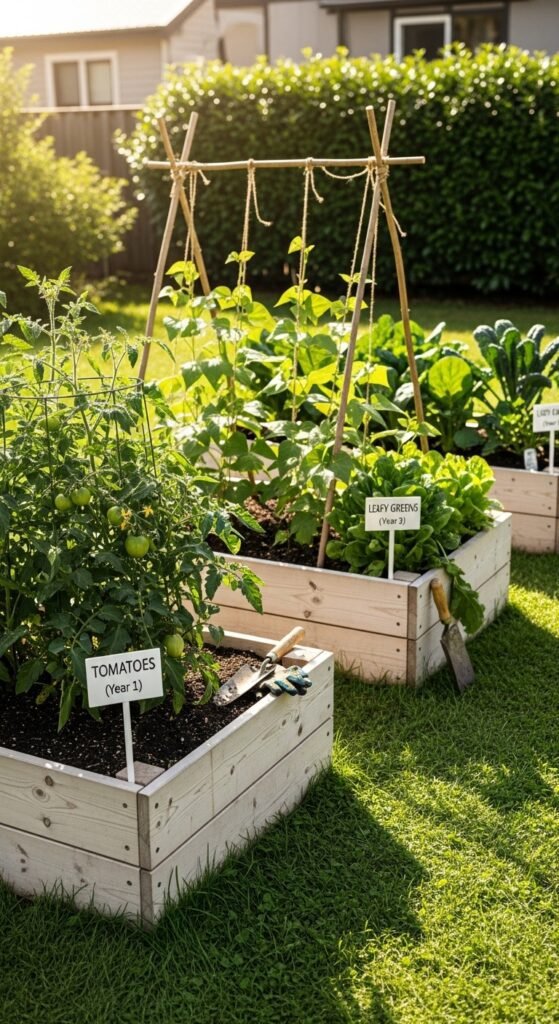
Crop rotation sounded complicated at first, but I keep it simple:
- Year 1: Tomatoes in Bed A
- Year 2: Beans in Bed A
- Year 3: Greens in Bed A
Beans naturally add nitrogen, so the next crop grows better without me adding anything. This single habit reduced my fertilizer use more than any product ever did.
I Water the Right Way
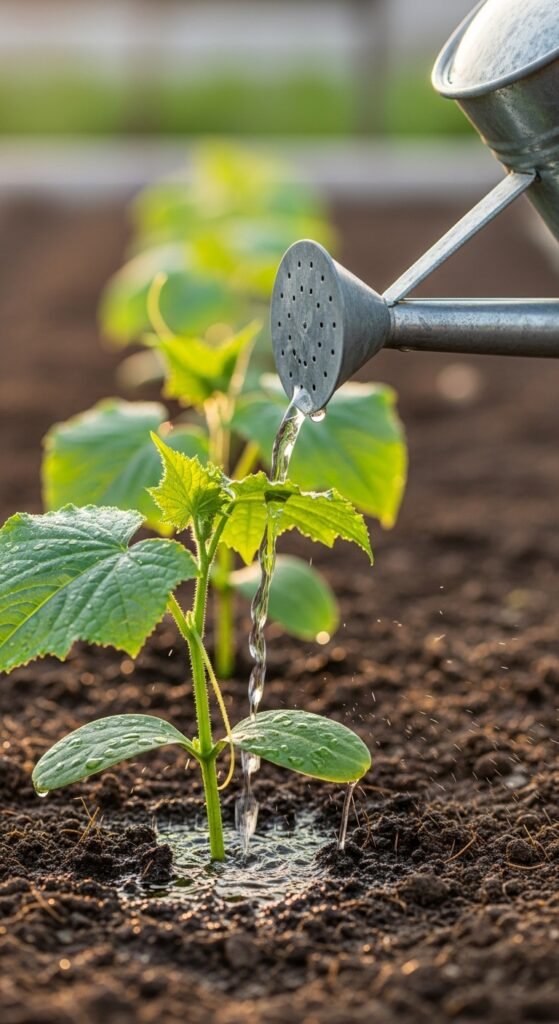
Over-watering washes nutrients deep into the soil where roots can’t reach them. I learned this the hard way with my cucumbers.
Now I water slowly at the base and only when the top inch feels dry. The plants actually need less feeding because the existing nutrients stay put.
I Let Plants Tell Me What They Need
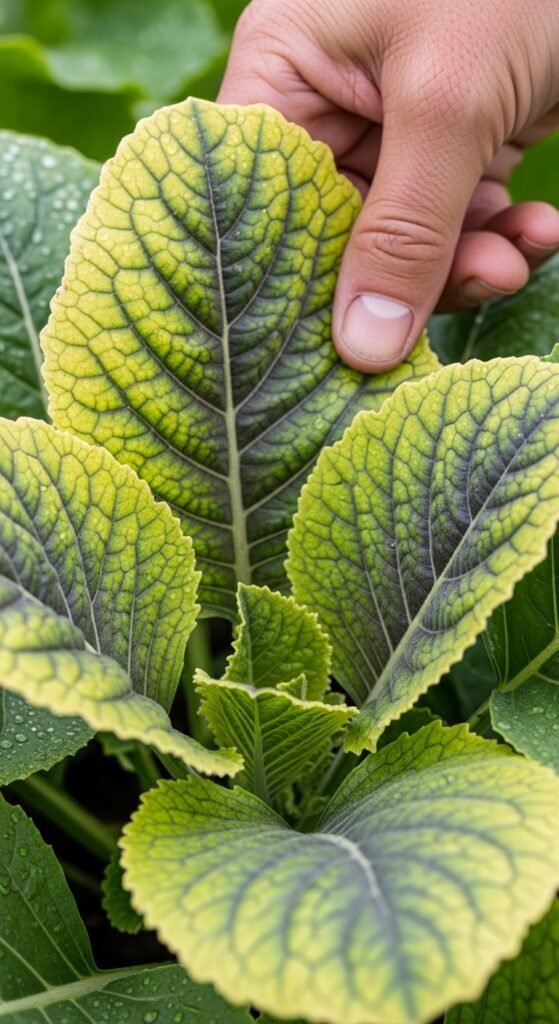
Instead of following fertilizer schedules, I watch the leaves:
- Pale yellow = maybe a little compost
- Dark green but no flowers = too much nitrogen
- Purple stems = soil too cold, not lack of feed
This observation-first approach made me a more confident gardener and saved real money.
My Honest Results After Going Low Fertilizer
- Better tasting vegetables
- Fewer pest problems
- Soil that gets richer every year
- Less money spent on garden supplies
I used to believe more fertilizer meant more harvest. Now I know that healthy soil and patience matter far more.
Final Thoughts
Low fertilizer vegetable gardening isn’t about starving plants—it’s about feeding them naturally. From my experience, vegetables grown this way taste closer to what our grandparents remember: real, earthy, and full of flavor.
If you’re tired of buying bag after bag of feed, try even one of these ideas this season. Your soil—and your wallet will thank you.