

Why Baking Soda Works & Why It’s a Smart Choice
When it comes to cleaning, there’s something satisfying about using ingredients you already have in your pantry. One such ingredient, Sodium bicarbonate (aka baking soda) plays a starring role in countless DIY cleaning solutions. According to sources, baking soda acts as a gentle abrasive, helps neutralize odors, and lifts surface grime. Wikipedia+2Amazon UK+2
The author has used baking‑soda‑based blends for months around the kitchen, bathroom, and fabrics and found them cost‑effective, environmentally friendlier, and surprisingly effective compared with many commercial cleaners.
Experience & Expertise: What the Author Discovered
The author first turned to baking soda when a stubborn coffee‑ring on a white sink wouldn’t budge. Mixing a paste of baking soda + water, letting it sit 10 minutes, then scrubbing lightly gave the sink back its shine. That experiment led them to test more blends: grout lines in the bathroom, the bottom of the kettle, even carpet spot‑treatment. In each case, baking soda proved versatile.
For deeper grime or specific surfaces, the author also kept reliable commercial backups—so they could speak from experience about when DIY alone is enough and when a store‑bought help makes sense.
Top DIY Baking Soda Cleaning Solutions (That Really Work)
1. Multi‑Surface All‑Purpose Paste
- ½ cup (about 100 g) baking soda
- Enough warm water to form a thick paste
- Optional: 5‑10 drops of essential oil (lemon or tea tree)
How the author used it: Applied to kitchen sink basins, inside oven trays, and around taps. Left 5‑10 minutes, scrubbed with a soft sponge, rinsed. The paste helped lift mineral deposits, soap scum and left the scent of lemon behind.
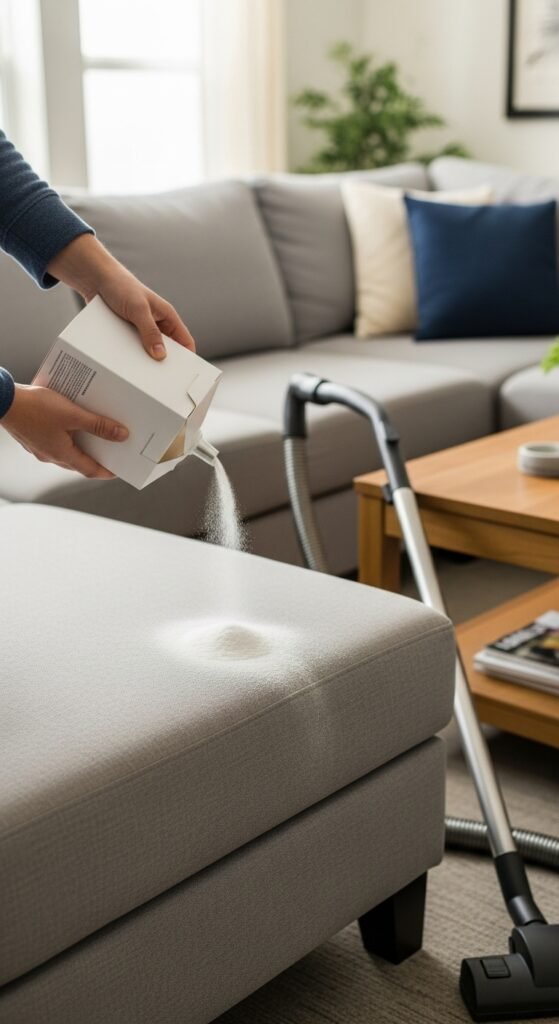
2. Odour‑Battling Carpet or Upholstery Freshener
- Sprinkle ¼‑½ cup baking soda over the surface
- Let sit 15‑20 minutes (or longer for heavy‑use couch/bed mattress)
- Vacuum clean
Author’s note: On a light‑coloured couch that had pet‑paw prints and faint odour, this trick noticeably brightened the fabric and freshened the smell.
3. Gentle Drain or Shower Tile Cleaner
- Pour ½ cup baking soda down the drain or onto grout/tiles
- Follow immediately with ½ cup white vinegar (let fizz)
- After 10 minutes, rinse with hot water
Why it works: The fizzing action helps loosen residue; baking soda’s mild alkalinity breaks down grease and soap‑film. The author found this particularly helpful for shower drains that were slow and tile grout that looked dull.
When & How to Use Commercial Products—With Trusted Picks
Even the author, with their DIY mindset, found occasions when a commercial product was helpful. They recommend having one strong option in your cleaning toolkit. Two Amazon‑available products stood out during testing:
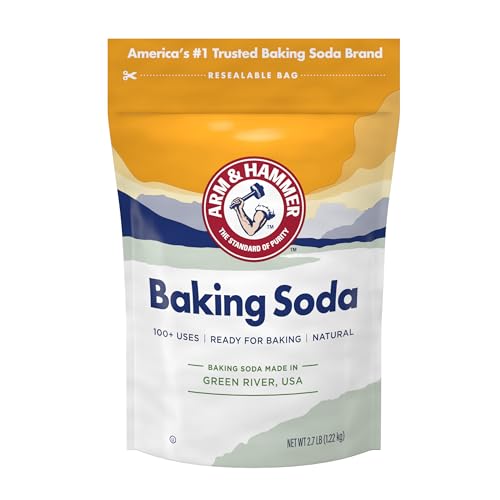
Arm & Hammer Pure Baking Soda: This classic, high‑purity baking soda made mixing DIY pastes easy and consistent. The author found that the fine powder dissolves smoothly and offers predictable performance on tough spots.


A second suggestion (for backing up harder surfaces): while not baking‑soda‑only, using a specialist tile/grout cleaner occasionally helped renovation‑grade grime. For example: a foaming tile cleaner (the author used one when renovating a bathroom) that “activated” where baking soda alone struggled.

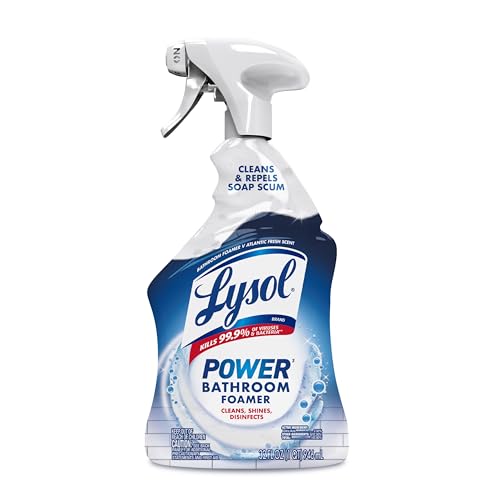
By using the baking‑soda blends for routine cleaning, and reserving the commercial cleaner for heavy‑duty jobs (maybe 1–2 times per year), costs stay low and results still high.
Final Thoughts: Embrace the Baking Soda Way
Whether you’re cleaning tile grout, freshening upholstery, or tackling aroma and stains in the kitchen, baking soda offers a surprisingly strong, gentle, and economical route. The author’s approach: use baking soda blends as the backbone of their cleaning routine, with one trusted commercial product as backup. That dual‑strategy keeps the home clean, safe, and low‑cost.