

Few houseplants are as forgiving as the spider plant with its graceful leaves, air-purifying benefits, and low-maintenance nature. But even this hardy plant can send out distress signals most commonly, those brown tips that ruin its lush green beauty.
The good news? Brown tips are a sign of stress, not a death sentence. With a few easy tweaks to your care routine, you can bring your spider plant back to its vibrant best. Let’s uncover the most common mistakes that cause brown tips and how to fix each one with confidence.
🪴 1. Using Tap Water Directly
If you’re watering your spider plant straight from the tap, that might be your first culprit. Many municipal water sources contain fluoride, chlorine, and salts that accumulate in the soil and damage the leaf edges — causing that crispy, brown-tipped look.
🌿 The Fix: Switch to Filtered or Distilled Water
Let your tap water sit overnight to allow chlorine to evaporate, or better yet, use filtered or distilled water. You’ll notice softer, greener leaves within weeks.
💧 Personal Tip: After switching to a filtered watering system, the author noticed a visible difference in new leaf growth — brighter and fresher within 2–3 weeks.
👉 Recommended Product:
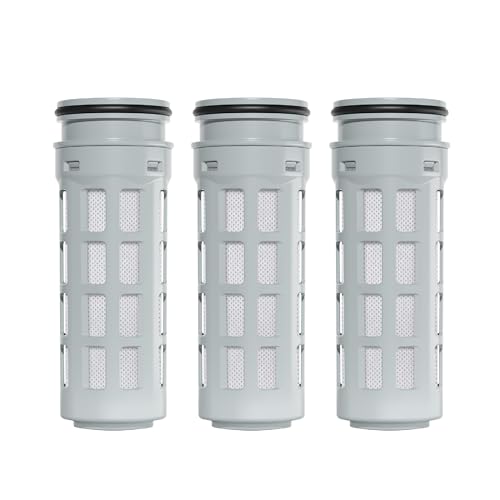
Try the Brita Stream Filtered Water Pitcher for easy and consistent watering. It removes fluoride and chlorine — perfect for sensitive houseplants like spider plants.


🌤 2. Overfertilizing or Using the Wrong Fertilizer
Too much of a good thing can be harmful. Overfertilizing leads to salt buildup in the soil, burning the leaf tips. Spider plants are light feeders they don’t need frequent or strong doses of fertilizer.
🌿 The Fix: Use a Balanced, Diluted Fertilizer
Fertilize only once a month during the growing season (spring to summer), and always dilute to half-strength.
🪴 Expert Tip: Flush the soil every few months to wash away excess salts simply pour distilled water through the pot until it drains fully.
👉 Recommended Product:
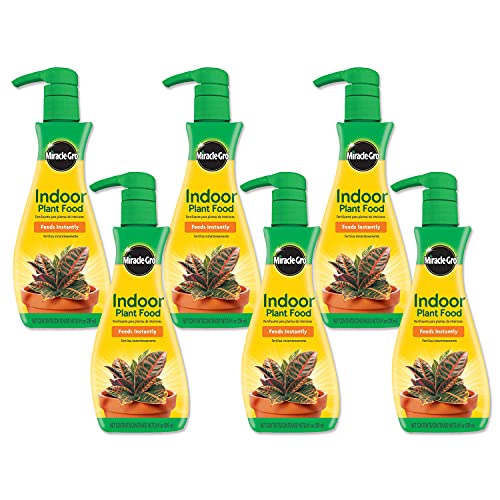
The Miracle-Gro Indoor Plant Food (Liquid Formula) is a gentle, balanced fertilizer that supports steady growth without leaf burn.


☀️ 3. Too Much Direct Sunlight
Although spider plants love bright light, direct sunlight can scorch their thin leaves, especially during peak summer hours. You’ll notice yellowish or brown patches forming at the edges.
🌿 The Fix: Move It to Indirect Light
Place your plant near a bright window with filtered sunlight. East- or north-facing windows are ideal. If your space gets harsh light, use sheer curtains to diffuse it.
🌸 Personal Experience: After moving one plant just a few feet away from a sunny window, the brown tips stopped appearing altogether — proof that location matters!
💧 4. Low Humidity Indoors
Indoor heating and air conditioning can dry out the air, causing low humidity — one of the most overlooked causes of brown tips. Spider plants thrive in moderate humidity (around 40–60%).
🌿 The Fix: Increase Humidity Around Your Plant
You can:
- Mist the leaves regularly
- Place a pebble tray with water under the pot
- Or use a humidifier for consistent moisture
👉 Recommended Product:
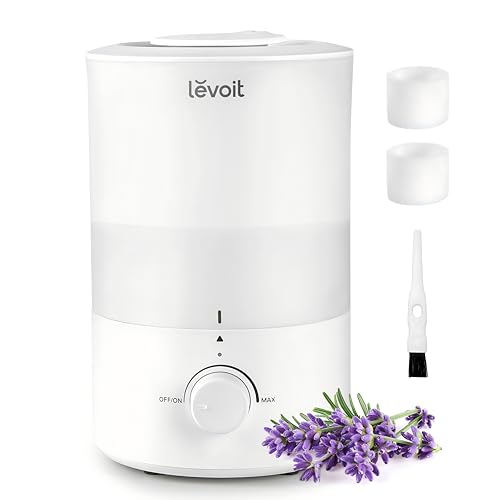
The LEVOIT Cool Mist Humidifier is a quiet, plant-safe option that keeps indoor humidity just right for spider plants.


🌱 Pro Tip: Cluster your plants together — they naturally create a mini humidity zone!
✂️ 5. Not Trimming Dead Tips Properly
Even with perfect care, some old leaves will naturally dry out. If you don’t trim them the right way, dead tissue can continue to spread.
🌿 The Fix: Trim the Right Way
Use sharp, clean scissors and snip only the brown area, leaving a tiny border of brown to prevent new damage. Avoid cutting into healthy green tissue — it stresses the plant further.
🪴 Bonus Care Tip: Always sanitize your scissors with rubbing alcohol before and after trimming to prevent fungal infections.
🌸 Bonus: How to Trim Brown Tips Safely

Here’s a quick step-by-step:
- Clean your scissors or shears.
- Trim only the brown edges (avoid cutting into the green).
- Mist the plant lightly after trimming.
- Water with filtered water the next day.
Doing this regularly will keep your spider plant neat, fresh, and healthy year-round!
🌿 Final Thoughts
Brown tips on a spider plant don’t mean you’ve failed they’re just a sign that your plant is asking for a bit of adjustment.
A few simple tweaks better water, gentler fertilizer, indirect light, and added humidity can completely transform your plant’s look and health.
Want to explore more care topics?
Check out these related reads:
👉 [Watering Spider Plants: Simple Tips to Keep Them Thriving!]
👉 [Fertilizing Spider Plants: The Secret to Healthy, Green Growth!]
Your spider plant deserves the best and with just a little attention, it’ll reward you with lush, vibrant leaves that brighten any room. 🌱