
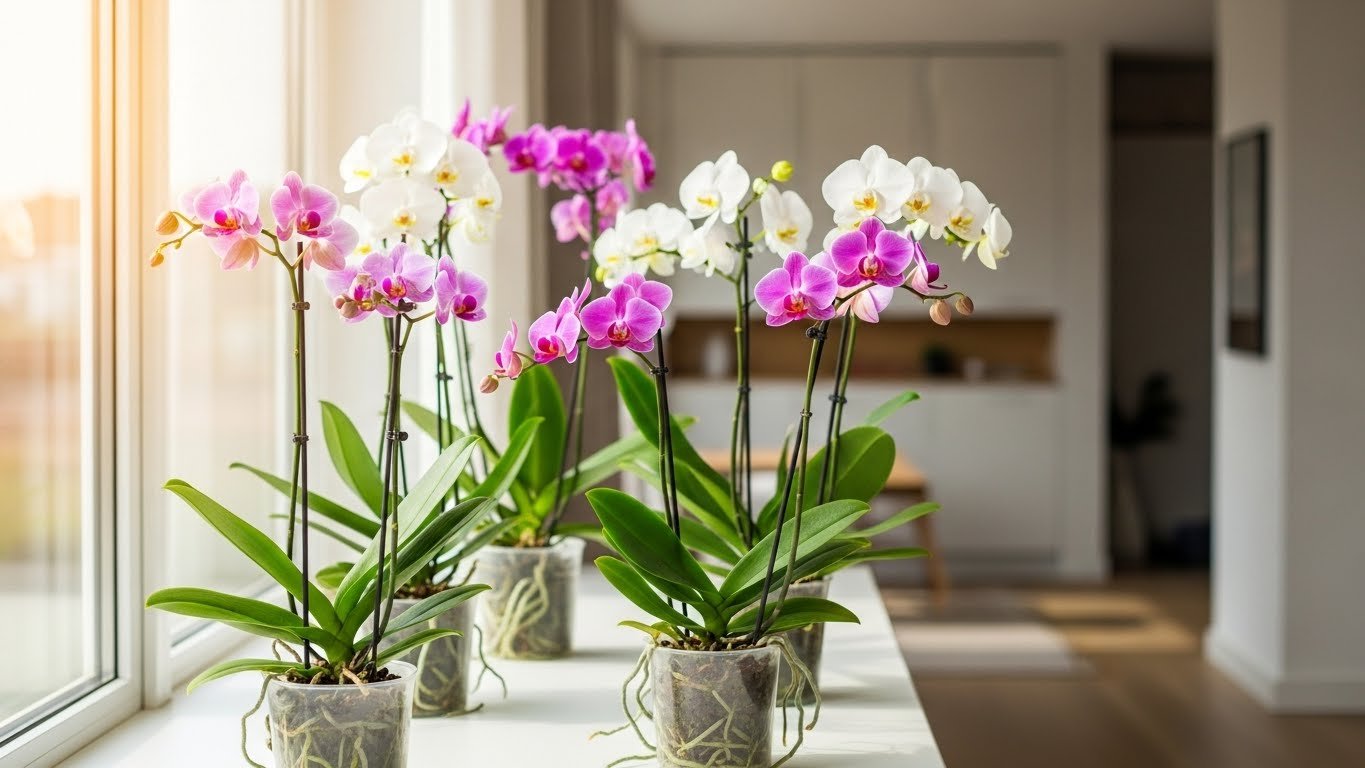
Orchid growing may look intimidating at first, but with the right knowledge, it becomes one of the most rewarding indoor gardening experiences. Many experienced plant lovers agree that orchids are not difficult they’re just different. Once their natural needs are understood, orchids can thrive and bloom beautifully year after year.
Based on hands-on growing experience and proven horticultural practices, these orchid growing tips will help beginners and seasoned plant parents alike grow strong, healthy orchids at home.
1. Understand How Orchids Grow in Nature
One of the most important lessons in orchid growing is knowing that most orchids are epiphytes. In the wild, they grow attached to trees, not buried in soil. Their roots need air, light, and excellent drainage.
This is why orchids struggle when treated like typical houseplants. Successful growers always respect how orchids naturally live—and recreate those conditions indoors.
2. Give Bright, Indirect Light
Light is essential for orchid growth and blooming. Orchids thrive in bright, indirect sunlight. Too little light leads to weak growth and no flowers, while direct sun can scorch the leaves.
A good rule experienced growers follow:
- Light green leaves = perfect light
- Dark green leaves = not enough light
- Yellow or scorched leaves = too much sun
Balanced light is one of the most overlooked orchid growing tips, yet it makes a huge difference.
3. Water the Right Way (Less Is More)
Overwatering is the most common orchid-growing mistake. Orchids prefer a wet–dry cycle, meaning the roots should dry slightly between waterings.
Experienced growers often water only when:
- The pot feels light
- The roots turn silvery instead of green
Watering deeply but less frequently keeps roots healthy and prevents rot—a key principle in long-term orchid growing success.
4. Prioritize Airflow and Humidity
Orchids love humidity but hate stagnant air. Good airflow helps prevent fungal problems and keeps leaves dry and healthy.
Many orchid growers notice better results when orchids are placed in:
- Well-ventilated rooms
- Spaces with gentle air movement
Humidity between 50–70% supports strong growth and flower spikes, especially during active growing seasons.
5. Respect the Roots (They Matter More Than You Think)
In orchid growing, roots are just as important as leaves and flowers. Healthy roots are firm and green or silvery, while unhealthy ones appear mushy or brown.
Experienced growers regularly:
- Inspect roots
- Remove dead or rotting sections
- Avoid damaging healthy roots
Strong roots lead directly to stronger plants and better blooms.
6. Be Patient With Bloom Cycles
Orchids do not bloom constantly, and that’s normal. After flowering, orchids enter a resting or growth phase where energy is stored for the next bloom.
A trusted orchid growing tip from seasoned growers is:
“Healthy leaves and roots today mean flowers tomorrow.”
Patience is essential—forcing blooms often weakens the plant in the long run.
7. Create a Consistent Care Routine
Orchids respond best to consistency. Sudden changes in light, temperature, or watering can stress the plant.
Growers who succeed with orchid growing usually:
- Water on a schedule (adjusted by season)
- Keep orchids in one stable location
- Observe the plant weekly
Consistency builds trust between grower and plant—and orchids reward that care with stunning blooms.
Final Thoughts on Orchid Growing
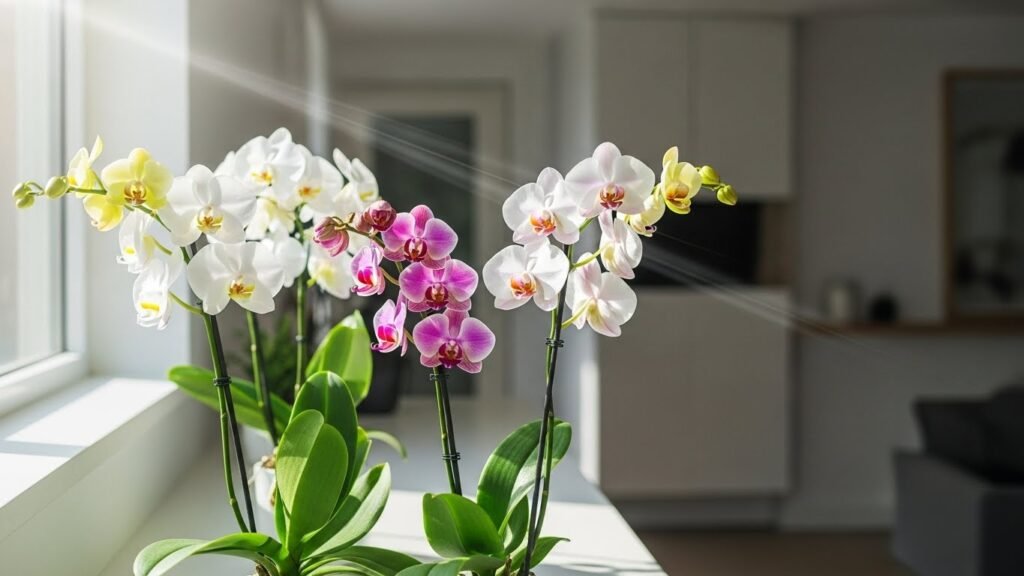
Orchid growing isn’t about perfection—it’s about observation, patience, and understanding. When cared for correctly, orchids are resilient, long-living plants that bring elegance and beauty into any home.
By following these proven orchid growing tips, anyone can confidently grow orchids and enjoy blooms that last for months. With time, orchids become less of a mystery and more of a joy.