
Monstera plants often called Swiss cheese plants or monkey leaf plants have become one of the most loved indoor plants in modern homes. Their bold, split leaves and tropical vibe instantly upgrade any space. But behind those beautiful leaves is a plant that needs the right kind of care, especially indoors.
This monstera plant care indoor guide is written from real hands-on experience, not theory. Everything shared here comes from growing Monstera plants in real homes, dealing with yellow leaves, slow growth, aerial roots, and even winter stress. The goal is simple: help readers grow a healthy, thriving Monstera indoors with confidence.
Whether someone is new to houseplants or already owns a few, this guide explains how to care for a Monstera plant indoor in a clear, friendly, and trustworthy way.
Understanding the Monstera Plant (Indoor Basics)
Monstera deliciosa is a tropical plant native to Central America. In nature, it climbs trees using aerial roots and grows under filtered jungle light. When kept indoors, it tries to behave the same way—just in a pot.
That natural behavior explains almost every care rule:
- It loves bright but indirect light
- It prefers well-draining soil
- It needs support as it grows
- It dislikes sitting in water
Once this is understood, monstera plant indoor care becomes much easier.
7 Proven Tips & Tricks for Indoor Monstera Plant Care
1. Give Bright, Indirect Light (Not Direct Sun)
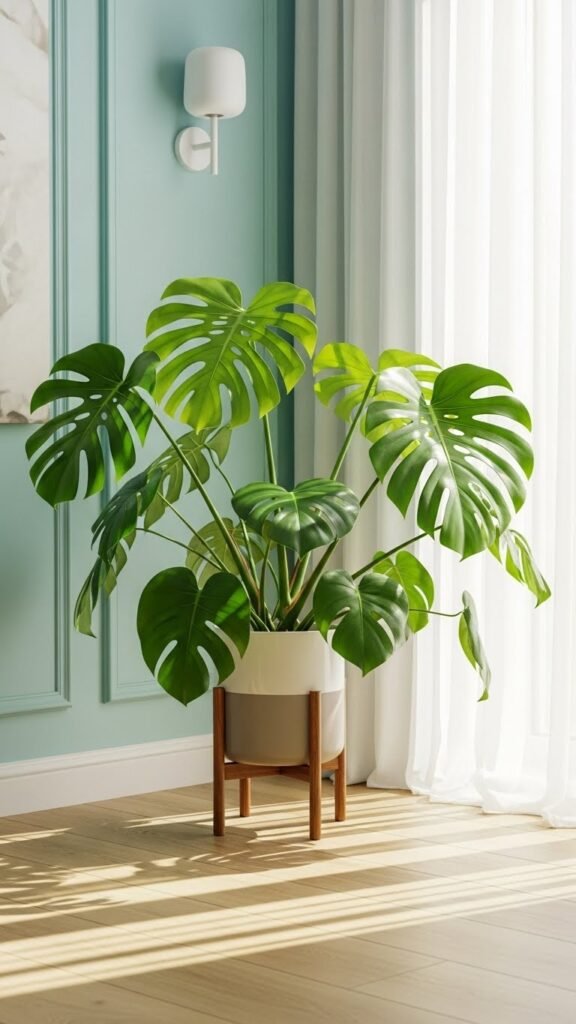
Light is the most important part of monstera plant care indoor. Monsteras grow best near an east- or south-facing window where they get plenty of filtered light.
Direct sunlight can burn the leaves, while low light causes:
- Small leaves
- No natural splits
- Slow or leggy growth
From experience, placing the plant about 3–5 feet away from a bright window works perfectly. Sheer curtains help soften strong sunlight.
Tip: If leaves are facing one direction, rotate the pot every 1–2 weeks for even growth.
2. Water the Right Way (Overwatering Is the #1 Mistake)
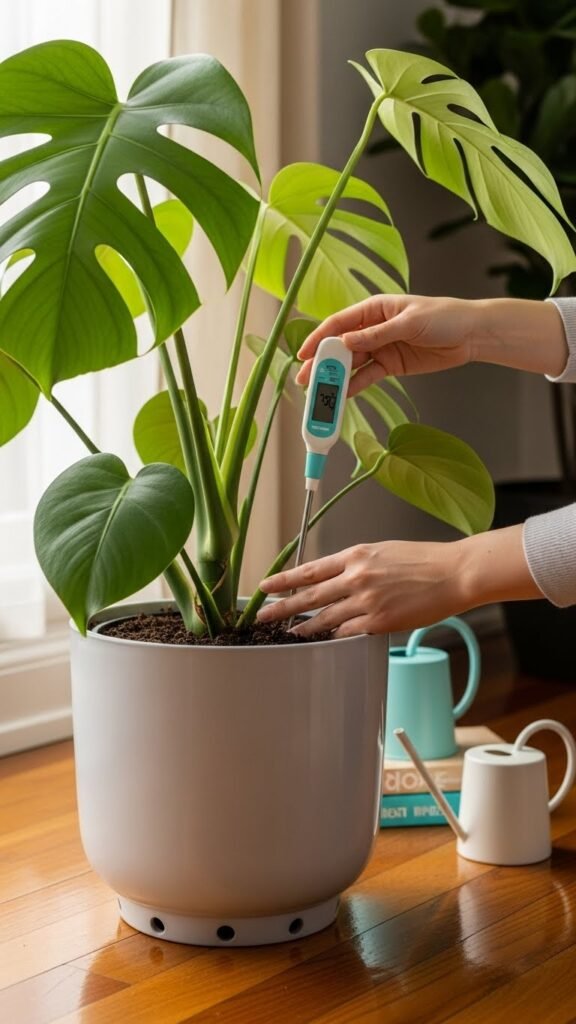
One of the most common indoor Monstera problems is overwatering. Monsteras like moist soil—but never soggy soil.
How to water a Monstera plant indoors correctly:
- Water only when the top 2–3 inches of soil feel dry
- Always empty the drainage tray
- Reduce watering during winter
A simple moisture meter has been personally tested and helps beginners avoid guesswork, especially in colder months. It’s one of those small tools that actually prevents root rot and builds confidence when learning how to care for monstera plant indoor.
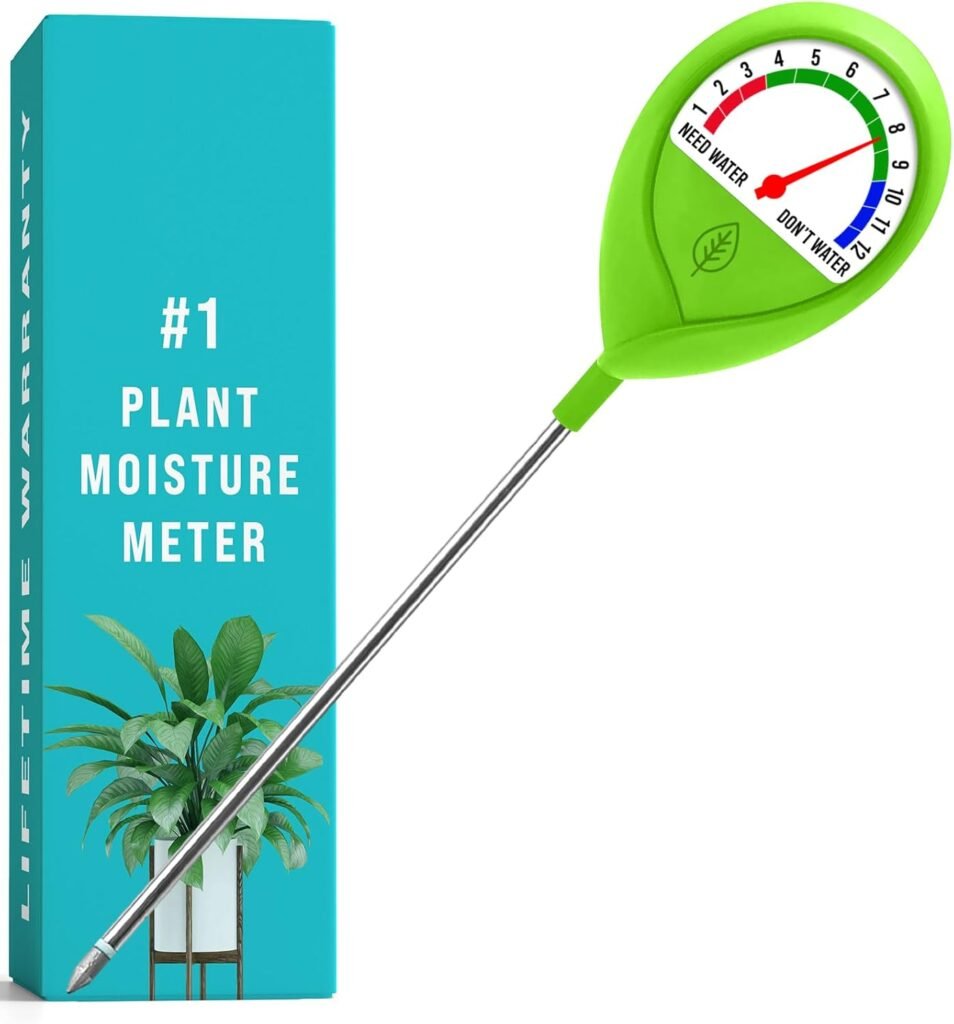
BUY NOW
3. Use Well-Draining Soil (Regular Garden Soil Won’t Work)
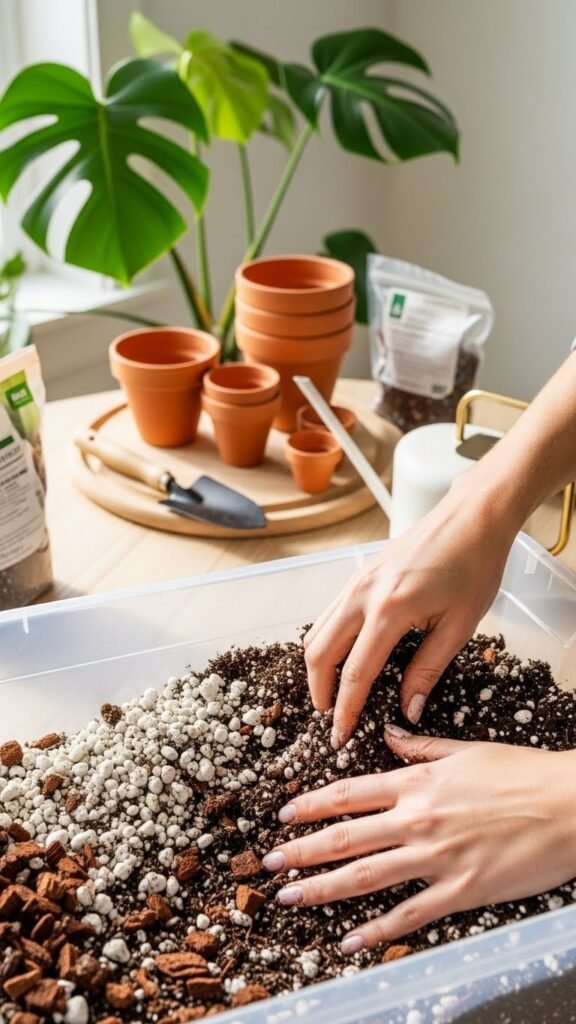
Soil plays a huge role in healthy indoor growth. Monstera roots need oxygen as much as water.
A proven indoor Monstera soil mix includes:
- Potting soil (base)
- Perlite or pumice (for drainage)
- Orchid bark or coco chips (for airflow)
This mix mimics jungle soil and prevents compacted roots. After switching to an airy mix, leaf size and growth speed noticeably improve within weeks.
4. Support Growth with a Moss Pole (Game-Changer Tip)
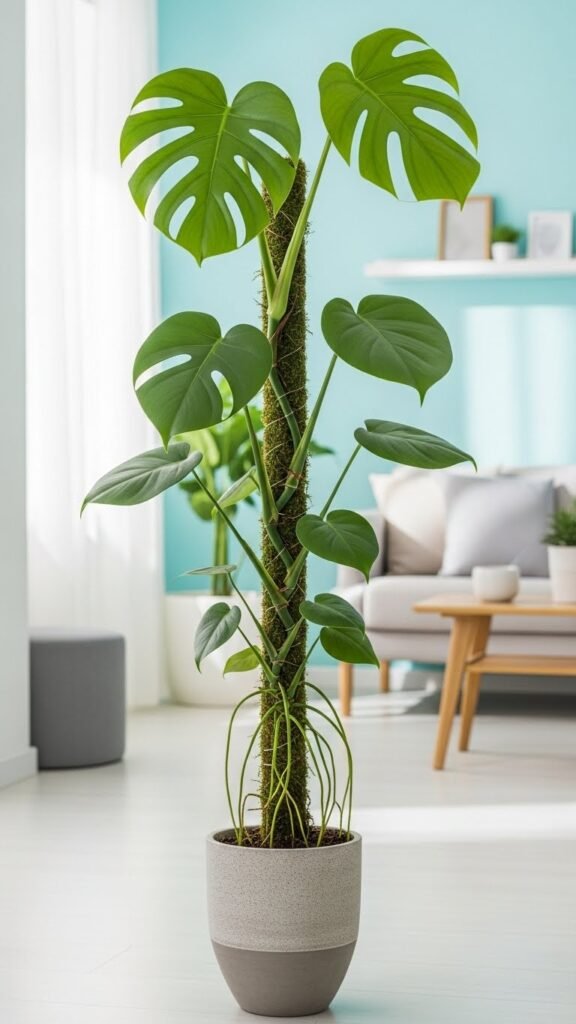
Monstera plants are natural climbers. Without support, they spread sideways and become heavy and messy.
Adding a moss pole indoors helps:
- Bigger leaves
- More fenestrations (splits)
- Stronger stems
- Upright, aesthetic growth
A coco coir or moss pole has been personally used and is one of the most useful Monstera care tools available. Gently tying the stems encourages aerial roots to attach naturally over time.
This single change often transforms a struggling plant into a showpiece.
5. Understand Aerial Roots (Don’t Cut Them Off)
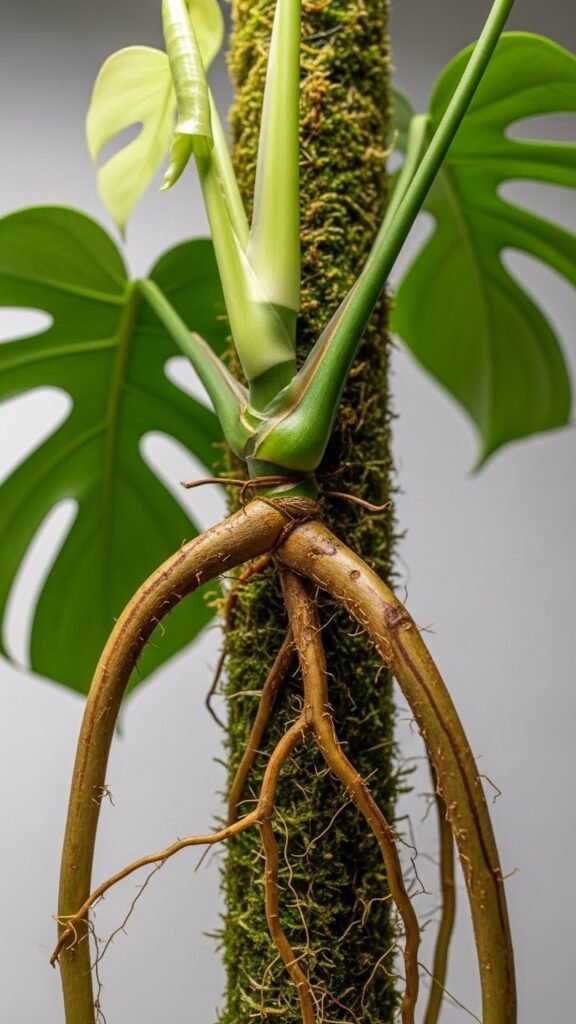
Many beginners panic when aerial roots appear. These roots are completely normal and healthy.
Indoor Monstera aerial roots:
- Absorb moisture from air
- Anchor the plant to support
- Help with nutrient intake
Instead of cutting them, gently guide aerial roots into the soil or moss pole. When this was first tested, the plant became noticeably more stable and produced larger leaves.
Only trim aerial roots if they are damaged or dry.
6. Control Yellow Leaves Early
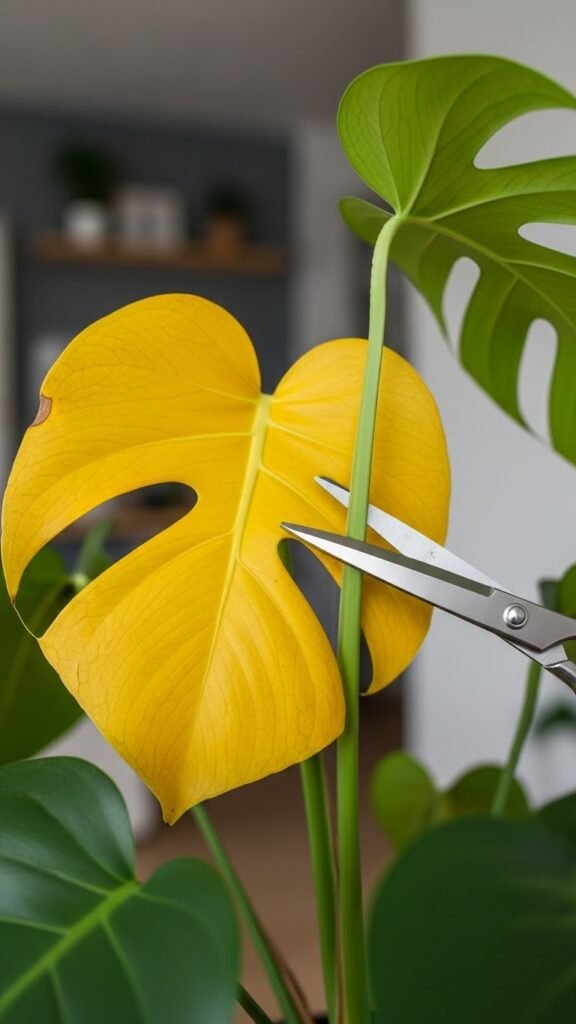
Yellow leaves are a common issue in monstera plant care indoor. They usually signal a care imbalance.
Common causes:
- Overwatering (most common)
- Poor drainage
- Low light
- Natural aging of older leaves
Remove yellow leaves using clean pruning shears. This helps the plant redirect energy to healthy growth.
An honest observation: once watering habits were corrected, yellowing almost completely stopped.
7. Adjust Care in Winter (Indoor Heating Changes Everything)
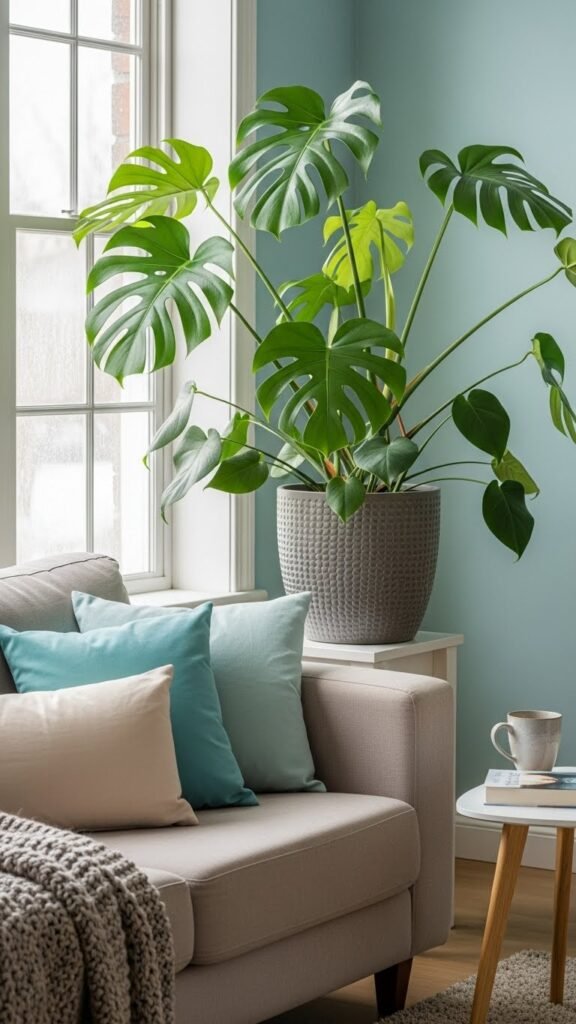
Winter care is often ignored but very important.
During winter:
- Growth slows down
- Water less frequently
- Avoid fertilizing
- Keep away from heaters
Indoor heating dries the air, so occasional misting or a pebble tray helps prevent crispy leaf edges.
Following this seasonal adjustment prevents stress and prepares the plant for strong spring growth.
Pruning Monstera Plants Indoors (When & How)
Pruning improves both health and appearance.
When to prune:
- Spring or early summer
- When stems become leggy
- To remove damaged leaves
Always cut just above a node using sterilized scissors. Pruned cuttings can even be propagated in water.
Repotting Monstera Indoors
Monsteras don’t need frequent repotting. Every 1–2 years is enough.
Signs it’s time to repot:
- Roots growing out of drainage holes
- Water running straight through soil
- Slowed growth
Choose a pot only 1–2 inches larger than the current one to avoid excess moisture.
Fertilizing Indoor Monstera (Less Is More)
A balanced liquid houseplant fertilizer works best.
How to fertilize:
- Once a month in spring and summer
- Dilute to half strength
- Skip feeding in winter
Over-fertilizing causes salt buildup and leaf burn, something learned the hard way early on.
Common Indoor Monstera Problems (Quick Fixes)
- Brown tips: Low humidity or underwatering
- No splits: Low light or immature plant
- Drooping leaves: Thirst or cold stress
Each issue usually links back to light, water, or environment.
Final Thoughts: Growing a Healthy Indoor Monstera
Monstera plants are forgiving, adaptable, and incredibly rewarding when cared for properly. Once the basics of monstera plant indoor care are understood, the plant practically tells you what it needs.
With bright indirect light, proper watering, supportive structure, and seasonal adjustments, anyone can grow a lush indoor Monstera—even as a beginner.
This guide is built on real experience, honest mistakes, and proven solutions, so readers can avoid frustration and enjoy the beauty of this iconic indoor plant.