

If there’s one houseplant I always recommend to beginners and seasoned plant lovers alike, it’s the spider plant (Chlorophytum comosum). It’s resilient, beautiful, and adapts to almost any home environment especially indoors. I’ve been growing spider plants for years, and through some trial and error, I’ve learned exactly how to keep them thriving.
Whether you’re caring for a Curly Spider Plant, a Bonnie, or a Variegated type, this detailed indoor spider plant care guide will help you create the perfect growing conditions, avoid common problems like brown tips, and even encourage those adorable baby plantlets to sprout.
☀️ 1. Understanding Indoor Light Needs for Spider Plants
One of the biggest questions people ask is, “How much light does an indoor spider plant need?”
In my experience, spider plants prefer bright, indirect light — think near a window where the sunlight is filtered through sheer curtains. Direct sunlight for hours can scorch the leaves, while too little light can make them pale and limp.
I keep my main spider plant on a shelf about five feet from a south-facing window, and it’s perfectly happy. For rooms with limited natural light (like apartments or shaded corners), a full-spectrum grow light is a lifesaver.
👉 I’ve personally used the GE Grow Light LED Bulb from Amazon — it fits in any regular lamp socket and provides gentle, balanced light that mimics daylight. It made a noticeable difference in my curly spider plant’s color and growth.

- Grow your plants throughout the year: These LED grow lights for indoor plants (full spectrum) provide the perfect high-q…
- The perfect plant grow lights for your home: Show off your indoor garden without harsh or unsightly lighting. GE’s indoo…
- Long-lasting, low energy and low heat plant light bulb: The GE plant lights for indoor plants (full spectrum) feature ad…
Quick Tip: Rotate your spider plant every couple of weeks to ensure even light exposure on all sides.
🌿 2. Choosing the Right Soil and Pot
The right soil mix is essential for preventing soggy roots. Spider plants like their soil moist but well-draining, not wet.
I use a mix of potting soil, perlite, and peat moss. This keeps it airy while still holding some moisture. If you’re not into mixing your own, a pre-mixed indoor potting soil works perfectly too.
👉 I recommend the Miracle-Gro Indoor Potting Mix — it’s lightweight, drains well, and has just enough nutrients to keep my plants green without overfeeding them.
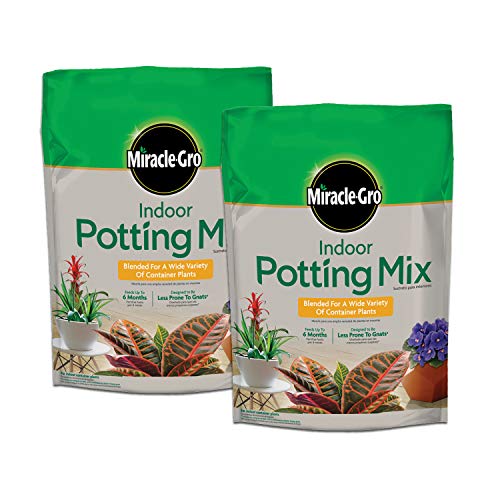
- What’s included: This bundles includes two 6 qt. bags of Miracle-Gro Indoor Potting Mix, each able to fill four 6-inch c…
- How to use: To use, fill a container about 1/3 full with potting mix; add more mix after placing your plant in the pot
- Where to use: Blended for a wide variety of indoor container plants, including climbing, foliage, flowering, and tropica…

Also, make sure your pot has drainage holes. Spider plants hate sitting in water, which leads to root rot. I once lost a beautiful Hawaiian spider plant because I overwatered it in a pot without holes — lesson learned!
💧 3. Watering Your Indoor Spider Plant the Right Way
Here’s where most beginners struggle — how often to water a spider plant indoors.
I follow a simple rule: water when the top inch of soil feels dry. Overwatering is worse than underwatering for spider plants. In my home, that usually means watering every 7–10 days, depending on the season.
If you notice brown tips on the leaves, it might be due to chlorine or fluoride in tap water. I switched to filtered water or rainwater, and the brown tips disappeared in a few weeks.
👉 A handy product that helped me track watering cycles is the XLUX Soil Moisture Meter — it’s inexpensive, easy to use, and has saved me from guessing when to water.

- Accurate Soil Moisture Detection: The XLUX Soil Moisture Meter can tell you if the soil deep inside your pot or garden i…
- Easy-to-Read Large Dial: The large dial is easy to read and includes three zones with ten scales, making it very straigh…
- Immediate Moisture Reading: Insert the probe into the soil, and without waiting, the dial will immediately display the m…
Pro Tip: Always empty the saucer after watering to avoid root rot.
🌼 4. Humidity and Temperature Tips
Spider plants love the same indoor conditions most people do — moderate humidity and temperatures between 60–80°F (16–27°C).
If your indoor air is too dry (especially in winter), you might see the leaf tips turning crispy. I keep a small humidifier near my plants, or I occasionally mist them using a fine spray bottle.
For me, placing a bowl of water near my plants or grouping them together helps maintain healthy humidity levels naturally.
🌱 5. Fertilizing Your Spider Plant Indoors
Spider plants aren’t heavy feeders, but they do benefit from a light boost during the growing season (spring through summer). I feed mine once a month with a diluted liquid houseplant fertilizer.
Over-fertilizing can cause brown leaf tips, so always err on the side of less. In fall and winter, I skip feeding entirely — that’s their rest time.
🪴 6. Pruning and Propagating Indoor Spider Plants
Trimming dead or yellowing leaves helps your spider plant look fresh and healthy. Use clean scissors to snip them close to the base.
Propagation is the fun part! When you see baby spiderettes growing from long stems, simply cut them off and place them in water or moist soil.
I’ve rooted countless new spider plants in small glass jars filled with water — you’ll see roots forming in about a week. Once they’re about two inches long, transfer them into a small pot.
This method works beautifully for Curly Spider Plants and Bonnie Spider Plants, which produce lots of plantlets.
🌸 7. Common Indoor Spider Plant Problems and Fixes

Even though spider plants are easy-going, here are a few issues you might face — and how to fix them:
- Brown Tips: Usually caused by chemicals in tap water or over-fertilizing. Use filtered water and reduce feeding.
- Pale Leaves: Too little light — move the plant closer to bright indirect sunlight or use a grow light.
- Root Rot: Overwatering or poor drainage. Repot in fresh, well-draining soil.
- Slow Growth: Try feeding monthly during the growing season and ensure the pot isn’t too tight.
Spider plants are forgiving — they’ll usually bounce back quickly once the problem is addressed.
🪴 8. Styling and Decorating with Spider Plants Indoors
Beyond being low-maintenance, spider plants are incredibly decorative. Their arching leaves and cascading baby plants make them perfect for hanging baskets, shelves, or plant stands.
I especially love pairing variegated spider plants with neutral pots — the striped green and white leaves add a refreshing pop of color. You can also place them in macramé hangers for a cozy boho vibe.
And don’t forget the air-purifying bonus — spider plants are known for removing toxins like formaldehyde from the air, making your home cleaner and fresher.
🌿 9. Caring for Curly and Bonnie Varieties Indoors
The Curly Spider Plant (Bonnie) is a fun twist on the classic variety — its leaves curl beautifully and stay compact, perfect for small spaces.
It thrives with the same care routine: bright, indirect light, evenly moist soil, and occasional misting. I’ve noticed my Curly variety grows best in a slightly warmer spot, around 75°F, with more consistent watering.
The Bonnie Curly Spider Plant is especially stunning in a hanging pot near a window. The curls catch light in the most beautiful way!
🌱 10. Final Thoughts: The Joy of Growing Spider Plants Indoors
Caring for indoor spider plants has been one of the most rewarding parts of my plant journey. They’re hardy, adaptable, and bring a calming touch of nature into any room.
Once you understand their light, water, and soil needs, they practically take care of themselves. Plus, with easy propagation, you can fill your home or your friends’ homes with these vibrant green beauties.
If you’re just starting your houseplant collection, trust me — the spider plant is the perfect beginner’s companion.