

If you’re looking for an easy-going houseplant that adds a burst of greenery, the spider plant is one of the best choices. But even the easiest plants deserve a bit of thoughtful care. In this article, we’ll walk through everything—from indoor light and watering to outdoor settings, propagation, dealing with brown leaf tips, and growing in water. Plus, I’ll share some tried-and-tested product recommendations (yes, affiliate links) that I personally use and feel confident recommending. These tools have helped me keep my plants thriving, and they may help you, too.
Why Choose a Spider Plant?
The spider plant (botanical name Chlorophytum comosum) is a houseplant favourite for good reason. It’s tolerant of a wide range of conditions, meaning even if you’re busy or forgetful it can quite happily survive and often thrive. patchplants.com+2Wisconsin Horticulture+2
Some of its benefits:
- It tolerates medium to bright light and even some less-ideal conditions. Wisconsin Horticulture+1
- It grows babies (“spiderettes”) you can propagate and share. The Spruce+1
- It’s pet-friendly and less finicky (though no plant is completely ‘set-and-forget’). patchplants.com+1
- It adds a nice draping or hanging foliage effect in your home. GardenDesign.com
Because it’s so forgiving, it’s a perfect plant for beginners—but treating it well means you’ll get a much bushier, healthier version, not just a survival one.
Indoor Care – Light, Water, Soil, Temperature, Humidity

Light
Indoors, the spider plant thrives in bright, indirect light. Avoid harsh direct sunlight, which can scorch the leaves. The Spruce+2Bloomscape+2
It will tolerate lower light, but in very dim conditions it may grow more slowly, lose variegation, or produce fewer baby plantlets. GardenDesign.com+1
So a good spot might be near an east- or north-facing window with filtered light, or a few feet away from a window with some direct sun filtered by a sheer curtain.
Watering
Watering is often where many plants go wrong—but the basics here are simple: allow the top inch or two of soil to dry before watering again. patchplants.com+1
In spring/summer you might water once a week; in winter less frequently. HGTV+1
One tip gleaned from experience (and many plant-forums) is to use filtered or rainwater if possible: spider plants can show brown tips due to chemicals like fluoride or chlorine in tap water. Wisconsin Horticulture+1
Be careful not to overwater or let the plant sit in water-logged soil; root rot can result. RHS
Soil & Pot
Use a well-draining potting mix. A standard indoor potting mix is fine, ideally one with good drainage. GardenDesign.com+1
Also pick a pot with drainage holes. If your plant’s roots are bursting out of the pot or it’s become rootbound, consider repotting. GardenDesign.com+1
Temperature & Humidity
Spider plants like room temperatures of roughly 60-80 °F (15-27 °C). They dislike cold drafts or being placed near heating/AC vents. Bloomscape+1
They also appreciate moderate humidity; in very dry indoor air, you may notice brown tips or crispy edges. Light misting or a pebble tray can help. HGTV+1
Outdoor Care
If your climate allows (typically USDA zones 9-11 or equivalent), you can grow spider plants outdoors. GardenDesign.com+1
When outdoors:
- Place in a shaded or partially shaded spot—not full direct sun, which can burn the leaves. GardenDesign.com+1
- Use well-draining soil and ensure the planting spot or container doesn’t hold water.
- Protect the plant from frost or very cold winter temperatures. It’s not frost-tolerant. Bloomscape+1
- It can work well in hanging baskets, patio containers, or even as a groundcover in shady spots. GardenDesign.com
If you move an indoor spider plant outside during the warmer season, remember to acclimate it gradually (avoid a sudden shift to full sun or very windy area) so it doesn’t get shock.
Dealing with Brown Leaf Tips & Other Problems
One common complaint: brown tips on the leaves. Let’s talk about causes and fixes.
Common Causes of Brown Tips
- Over‐fertilizing or buildup of salts in the soil. Wisconsin Horticulture+1
- Water with high levels of fluoride/chlorine or very hard tap water. The brown tips may be aesthetic rather than fatal—but they do show the plant is under stress. GardenDesign.com+1
- Low humidity or dry air. Better Homes & Gardens
- Exposure to drafts, cold air, or heat vents. Better Homes & Gardens
- Too much direct sun or very bright light that actually burns leaves. The Spruce+1
Fixes
- Trim the brown tips with clean scissors: that makes the plant look better, though it doesn’t cure the root cause.
- Use filtered, distilled, or rainwater if tap water is poor.
- Reduce or pause fertilizing if you suspect salt build-up; flush the soil with clean water (run water through the pot until it drains out). Better Homes & Gardens
- Increase humidity around the plant, move it away from vents/drafts, and ensure the light is indirect.
- If the plant seems rootbound or potting mix is compacted, repot into fresh soil with good drainage.
Propagation & Growth
Part of the charm of spider plants: they produce lots of little “baby” plantlets (spiderettes) which you can root and grow. Bloomscape+1
Here’s how I do it (based on my experience):
- Wait until the baby plantlets on long stems have small roots or at least visible nodules.
- Cut the stem, place the plantlet in a small pot with moist soil (or sometimes a jar of water) until roots develop.
- When roots are well developed, pot into soil and care like a regular plant.
This process is simple and fun—great for giving plants to friends!
Another note: If your plant has many plantlets and you want the main plant to look fuller, you can remove some of the runners so the plant focuses energy on its foliage.
Growing Spider Plant in Water (Hydro / Water Culture)
Yes this is possible, though with caveats. According to recent guidance, you can grow spider plants in water long-term, but they may not be as robust as soil-grown ones. Homes and Gardens
Here’s what to keep in mind:
- Use a clear vase so you can see roots; keep leaves above water line.
- Change the water weekly and add a very diluted liquid fertilizer occasionally.
- Growth may be slower; plants may stay smaller and less full.
- If you see signs of distress (yellowing leaves, very thin growth), consider transferring to soil.
So: cool experiment and visual effect, but if you want the plant to thrive fully, best with soil.
Recommended Products (That I’ve Used & Trust)
Here are a few products I’ve personally used with my spider plants—when used sensibly, they help the plants do better. I may earn a small affiliate commission if you buy, at no extra cost to you. I include them for transparency and value.
Self-watering indoor plant pot: A pot with a built-in water reservoir helps me avoid both overwatering and forgetting altogether. It gave me peace of mind when I was traveling for a week and returned to a healthy plant.

- 【Practical Size Combo】-These plastic planters indoor combines with 6 different sizes, 8 inch 7inch 6.5 inch 6 inch 5.5 i…
- 【Durability, Light weight, Sturdiness】-Made of durable recyclable plastic, solid plastic plant pots protect plants and s…
- 【Intriguing Design】-A simple modern aesthetic and clean matte finish planters indoor plants bringing out a minimalistic …

Liquid houseplant fertilizer: I use a mild all-purpose indoor plant food during spring/summer, about once a month. Just a little goes a long way—helps prevent nutrient deficiency without risking salt-build up.

- Best value, one bottle makes 50 gallons of nutrient rich, odorless fertilizer that feeds instantly
- Easy to use & feeds instantly. Just mix a cap full of Purived Plant Food to 1 gallon of water & feed
- All-purpose, nutrient rich formula designed to feed indoor & outdoor potted plants
Moisture meter for indoor plants: Although finger-testing soil is fine, a moisture meter gave me confidence when I moved the plant to a new potting mix and wanted to be sure before watering again.
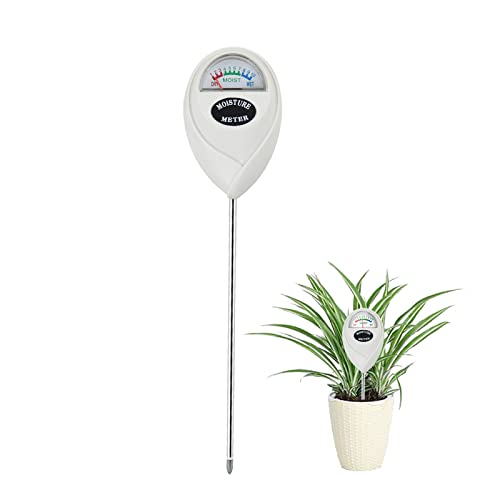
- 【SAVE YOUR PLANTS】: Over watering can cause problems with your plants or even kill them. This soil moisture meter helps …
- 【ACCURATE & FAST READING】: This plant moisture sensor can get accurate and fast reading of moisture level in the soil, j…
- 【NO BATTERY NEEDED】: The plant hygrometer is simple and easy to use, no battery or electricity needed. The meter probe c…
(If you like, I can send specific product links with models/pricing.)
Step-by-Step Care Checklist

Here’s a simple checklist you can follow weekly or monthly:
Weekly / Every 7-10 days
- Check if the top 1-2 inches of soil are dry → if yes, water thoroughly and allow excess to drain.
- Inspect leaves for brown tips, dust, or signs of pests.
- Wipe leaves gently to remove dust so the plant can photosynthesise properly.
Monthly (Growing Season: Spring/Summer)
- Feed with diluted indoor plant fertilizer.
- Rotate the pot so all sides get light—especially if near a window.
- Remove any dead, yellowing, or damaged leaves; trim brown tips if desired.
Every 1-2 Years
- Repot if roots are crowded, soil looks depleted, or plant has become top-heavy. Use fresh potting mix with good drainage.
- Consider propagating some plantlets if you want more plants or want to refresh the look.
Seasonal Adjustments
- In winter: reduce watering frequency, skip fertilizing (plant slows growth).
- If moved outside for summer: acclimate gradually, avoid direct harsh midday sun, bring back inside before cold sets in.
Final Thoughts: Experience & Confidence
From personal experience: when I first got a spider plant, I treated it like a “set-and-forget” item. It survived but wasn’t thriving. Once I paid attention to the light (bright but indirect), switched to filtered water, and implemented a mild monthly feed, the plant visibly improved: fuller growth, healthier baby plantlets, and no more brown tips. That shift from survival-mode to thriving-mode made all the difference.
Because the spider plant is forgiving, you don’t need to be perfect to succeed but putting in a little care goes a long way. With the right spot, good soil, sensible watering, and occasional care, your spider plant will likely flourish and become a green, cascading favourite of your indoor (or outdoor) space.
If you’re ready to pick one up or upgrade your plant’s care setup, the product recommendations above are trustworthy. And if you run into issues like brown leaf tips or slowed growth return to the basics: light, water, soil, and care—and you’ll be back on track.
Here’s to healthy, happy spider plants!