
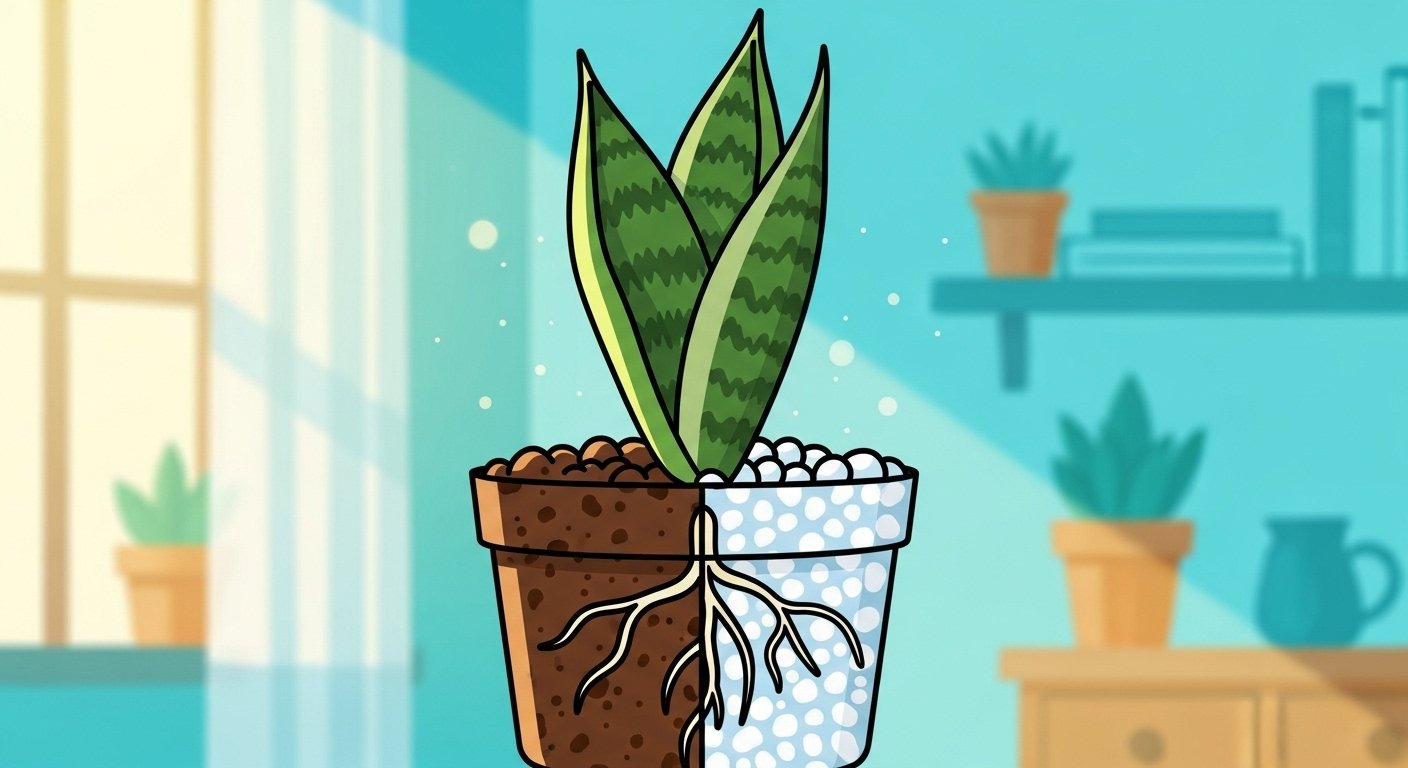
If you’ve ever admired the striking upright leaves of a snake plant (Sansevieria) and wondered how to multiply them, leaf propagation is one of the simplest and most rewarding methods. Unlike dividing the root clumps or using pups, leaf propagation lets you grow brand-new plants from individual leaves.
Whether you’re a beginner or a seasoned plant parent, this guide will walk you through how to propagate a snake plant leaf step by step, including tips for success, care advice, and tools to make the process easier.
For other propagation methods, you might also want to check out snake plant propagation in perlite and propagation in soil for comparison.
🌱 Why Propagate Snake Plant Leaves?
Leaf propagation is popular because:
- You can multiply your snake plants without buying new ones.
- It’s low-maintenance and requires minimal equipment.
- You can experiment with different pots and décor setups as your plants grow.
Plus, it’s fascinating to watch roots emerge and new shoots develop from a single leaf cutting!
✂️ Step 1: Choose a Healthy Leaf
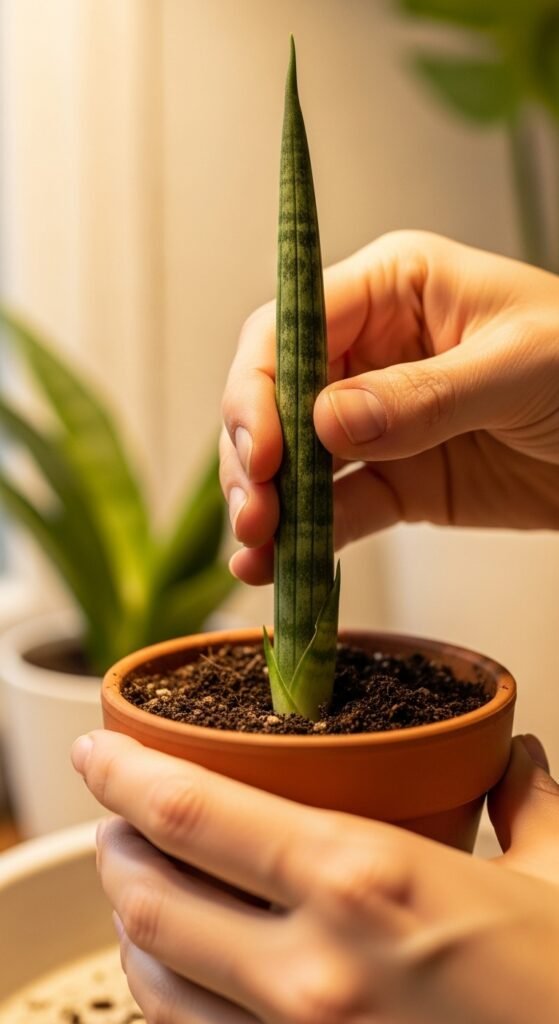
Select a mature, healthy leaf—avoid old, damaged, or yellowing leaves. Using clean, sharp scissors or pruning shears, cut the leaf near the base.
💡 Tip: Mark the bottom of the leaf (the end that was closer to the roots). Planting upside down will prevent rooting.
🌿 Step 2: Cut and Callus the Leaf
Cut the leaf into sections 3–6 inches long if desired. Allow the cut ends to dry and callus for 1–2 days in a dry, warm spot. This step reduces the risk of rot once planted.
🪴 Step 3: Planting the Leaf
You have several options for planting:
- Soil Propagation: Insert the cut end about 1 inch into well-draining soil. Use a succulent or cactus mix for best results.
- Perlite Propagation: Place the cuttings in moist perlite for faster, rot-free rooting.
💡 Recommended Products:
Miracle-Gro Cactus, Palm & Citrus Potting Mix – Ideal for soil propagation, drains well, and keeps roots healthy.
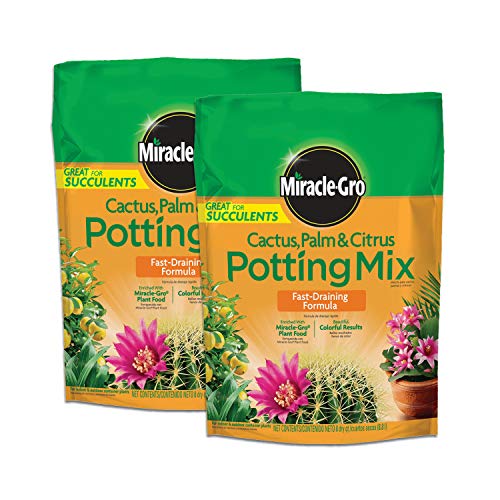
- Miracle-Gro Cactus, Palm & Citrus Potting Mix features a fast-draining formula and is enriched with Miracle-Gro Plant Fo…
- This fast-draining formula is blended to help promote successful growing of cacti, potted palms, citrus, and other succu…
- This cactus potting mix is designed for indoor and outdoor container plants, including cacti, palm plants, citrus trees,…

XLUX Soil Moisture Meter – Helps monitor soil moisture to avoid overwatering, especially for leaf cuttings.

- Accurate Soil Moisture Detection:The XLUX Soil Moisture Meter can tell you if the soil deep inside your pot or garden is…
- Easy-to-Read Large Dial: The large dial is easy to read and includes three zones with ten scales, making it very straigh…
- Immediate Moisture Reading: Insert the probe into the soil, and without waiting, the dial will immediately display the m…
🌞 Step 4: Provide Light and Temperature
Place your cuttings in bright, indirect light. Avoid direct sunlight, which can scorch leaves. Maintain a moderate temperature (65–80°F / 18–27°C) for optimal root growth.
💧 Step 5: Watering
Water sparingly. The soil or perlite should be lightly moist, not soggy. Overwatering is the most common reason leaf propagation fails. A light mist once a week is usually enough until roots and shoots appear.
🌱 Step 6: Patience and Observation
Roots will begin to form in 4–6 weeks, sometimes longer. Once roots are well-established (about 2 inches long), new pups may appear at the base of the leaf. At this point, you can transplant them into individual pots with a well-draining mix.
🌸 Common Mistakes to Avoid
- Overwatering: Even minimal soil can rot if kept too wet.
- Wrong leaf orientation: Always plant the bottom end down.
- Skipping callusing: Fresh cuts can easily rot if planted immediately.
🌿 Tips for Successful Leaf Propagation
- Use sterile tools to prevent infection.
- Keep propagation medium lightly moist but never soggy.
- Be patient — snake plants are slow growers, and leaf propagation is gradual.
- Rotate pots occasionally for even light exposure.
🪴 Final Thoughts
Leaf propagation is a rewarding way to expand your snake plant collection, whether for décor, gifts, or creating a lush indoor jungle. With minimal tools, a little patience, and proper care, you can turn a single leaf into a thriving new plant.
For comparison, check out our guides on snake plant propagation in perlite or in soil to find the method that suits you best.