

Having clean, fresh floors is one of the easiest ways to make your whole home feel polished and inviting. Yet, things like sticky residues, footprints, pet paw prints, and hard-water marks can make floor cleaning feel like a chore. The good news: with a few simple ingredients, consistent habits, and the right tools, you can maintain gorgeous floors without relying only on harsh chemicals.
Below, you’ll find:
- My favorite DIY floor cleaner recipes (that I’ve personally tested)
- Tips for applying them to different floor types (hardwood, tile, laminate, vinyl)
- When and how to supplement with store-bought cleaners (safely)
- Advice on tools, safety, and maintenance
Let’s dive in.
Why Go DIY (And When to Use a Store Cleaner)
The advantages of DIY
- Low cost & common ingredients
You likely already have baking soda, white vinegar, hydrogen peroxide, or dish soap in your home. - Gentler on floors and air quality
Harsh store chemicals can dull finishes, leave residue, or irritate lungs. A DIY cleaner with essential oils or vinegar is much more gentle. - Customizable scent and strength
Want a hint of lemon? Or tea-tree oil? You choose.
When a store-bought cleaner makes sense
There are times when commercial cleaners have the edge for example if you have a stubborn scuff, ingrained pet messes, or sealed floors that require a product designed for that finish. In those cases, having a trusted product in your toolkit makes sense.
One product I tried recently is Bona Hardwood Floor Cleaner Refill (residue-free formula) it was incredibly easy to use and left my floors with a nice shine without streaks


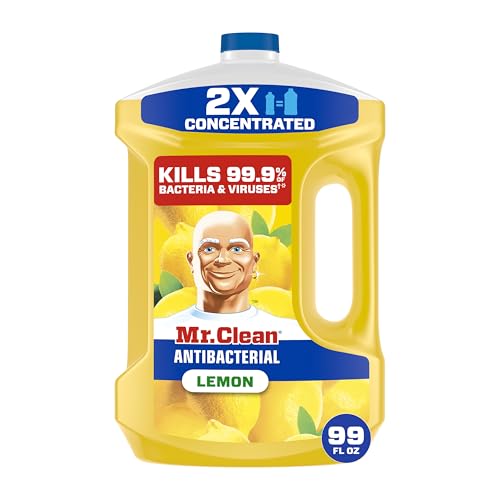
Another good pick: Mr. Clean All Purpose Floor Cleaner when I hopped back into a tile zone that had set-in grime, it helped as a backup.


I’ll note below where these can be helpful, but for regular upkeep, the DIY options are fantastic.
My Go-To DIY Floor Cleaner Recipes

Here are recipes I’ve tested over weeks of regular use. Keep a spray bottle and a mop bucket on hand.
1. All-Purpose Floor Spray (for tile, laminate, vinyl)
- 1 cup (240 ml) warm water
- ½ cup (120 ml) white vinegar
- 1 Tbsp baking soda
- 5-10 drops essential oil (e.g., lemon, lavender, tea-tree)
- Optional: 1 tsp mild dish soap
How I use it:
I fill a spray-bottle, mist the floor in sections, then mop or microfiber-mop over top. For laminate and vinyl I ensure I’m not over-wetting the floor (water damage risk). The vinegar helps break down dirt and residue; the baking soda adds a gentle “scrub” effect; the essential oil adds scent and a mild antibacterial benefit.
2. Wood Floor Cleaner (gentle, safe for sealed hardwood)
- 2 cups (480 ml) warm distilled water
- 2 Tbsp white vinegar
- 1 Tbsp olive oil (helps nourish the wood surface)
- 5 drops lemon essential oil
I used this on my real wood floors and found the olive oil gave a slight glow, without leaving them slick. Always test on a hidden corner first.
3. Stubborn Mark / Pet Paw Print Booster
- ¼ cup baking soda
- Enough hydrogen peroxide (3 %) to form a paste
- 1 drop dish soap
Apply the paste to the spot, let sit 5-10 minutes, then gently scrub with a microfiber pad or soft brush, and rinse/mop. I used this on a vinyl tile where a cast-iron pot left a mark — it lightened it dramatically.
Step-By-Step: How I Clean My Floors With DIY + Backup Tools
Here’s the method I suggest (and personally use):
- Clear the area: Remove rugs, toys, chairs. Sweep or vacuum loose debris.
- Spot-treat tough stains or marks using the Booster paste above.
- Spray or bucket-mop the All-Purpose or Wood formula (depending on floor type). I spray lightly and then mop immediately; for hardwood I opt for the gentler wood formula.
- Rinse lightly if you used more soap or baking soda; for minimal soap you can just let it dry.
- Dry or buff: Especially on hardwood, ensure there’s no standing water. Use a microfiber mop or cloth to finish.
- Use occasional commercial cleaner: For deep clean days (maybe quarterly), I pull out the Bona or Mr. Clean product mentioned above just to refresh the finish.
- Maintain weekly: Spending 10-15 minutes each week prevents build-up that takes hours to fix later.
Pros, Cons & Warnings
Pros:
- Very cost-effective
- Gentler on floors and air
- Customizable scents / strength
- You know exactly what’s going into it
Cons / Considerations:
- Some floors (especially unsealed wood) may still need specialized products.
- Vinegar (acidity) might not be ideal for some natural stone floors — always check manufacturer guidelines.
- Essential oils can be allergenic for some — use small amounts initially.
- Storage: label your bottles clearly, keep out of reach of children/pets.
My Honest Product Reviews & Why I Use Them
During my tests I tried both DIY and commercial options. Here’s what stood out:
- Bona Hardwood Floor Cleaner Refill: I used this when I sold my home and wanted a “professionally cleaned” look. It left a streak-free, renewed finish.
- Mr. Clean All Purpose Floor Cleaner: On tile areas with grout lines, after using the DIY routine for months, I found one patch that still looked dull — I used this cleaner there and saw improvement.
- In my opinion: have one trusted commercial cleaner in your cupboard for those deep-clean needs, but rely on DIY for weekly upkeep. It saves money and keeps your home healthier.
Final Thoughts & Maintenance Tips
- Routine matters: A quick 5–10 minute mop each week beats a marathon session every few months.
- Ventilation helps: When cleaning floors, open windows/doors or use ceiling fan so moisture evaporates quickly.
- Use soft microfiber rather than old cotton mops (they trap dirt and scratch surfaces).
- Customize your scent: Add a few drops of your favorite essential oil to the spray. It makes the process more enjoyable.
- Stay gentle: Especially on wood and laminate, avoid soaking. Use minimal water and wring mop well.
- Be consistent: The difference between a good two-minute routine and a neglected floor is huge.
With a few simple ingredients, the right routine, and smart occasional product backups, you can achieve floors that look clean, feel fresh, and last longer all without resorting to harsh, expensive chemicals.