

Spider plants are known for being low-maintenance and versatile but did you know you can grow spider plants entirely in water? 💧
Yes, it’s true! You don’t always need soil to have lush, green foliage and healthy baby offshoots. Growing your spider plant in water is not only fun but also a beautiful, minimalist way to decorate your home.
This article walks you through step-by-step water care, common mistakes, and the best products to make your setup last long and stay fresh. It’s a method tested and loved by many plant lovers who prefer simplicity and style!
🌱 Why Grow a Spider Plant in Water?
There’s something soothing about seeing green roots swirling in clear water. But beyond aesthetics, there are practical benefits too:
- Mess-free growing: No soil spills or pot cleanup.
- Easier monitoring: You can literally see root health!
- Perfect for small spaces: Ideal for desks, windowsills, and bathrooms.
- Propagation-friendly: Great for rooting new spiderettes before potting them.
If you’re someone who forgets to water plants, this method also offers an advantage — there’s less chance of underwatering.
💧 Step-by-Step: How to Grow Spider Plants in Water

Step 1: Choose the Right Cutting
Start by snipping a healthy spiderette (baby plant) from the mother plant. Make sure it has visible root nubs or small white bumps — that’s where new roots will emerge.
Avoid using any leaves or damaged shoots; they won’t root well in water.
Step 2: Select a Suitable Container
Use a transparent glass vase or jar so you can see the root growth and water clarity.
A narrow-neck bottle supports the cutting, keeping leaves above water and roots submerged.
🪴 Recommended product:
👉 Glass Propagation Station Set — Aesthetic and functional, this propagation station lets you root multiple spiderettes at once. It’s easy to clean, stable, and adds modern décor vibes.


Step 3: Fill with the Right Water
Use filtered or dechlorinated water. Tap water often contains fluoride and chlorine, which can cause brown tips or leaf discoloration over time.
Let tap water sit overnight before using, or use a plant-safe water filter.
💧 Pro tip: Change the water every 7–10 days to prevent bacterial buildup and algae formation.
Step 4: Provide the Perfect Light
Spider plants love bright, indirect light.
Too much direct sunlight can cause leaf burn, while low light slows down root growth. A spot near an east-facing window is perfect.
🌞 Recommended product:
👉 GE Grow Light Bulb for Indoor Plants — Ideal if you’re growing indoors with limited natural light. It helps keep leaves vibrant and encourages faster root development without overheating.


Step 5: Add Nutrients Occasionally
Unlike soil, water doesn’t provide natural nutrients.
Every 3–4 weeks, add a diluted liquid fertilizer (¼ of the regular dose). This ensures your plant gets essential minerals for growth and greener leaves.
🌿 Recommended product:
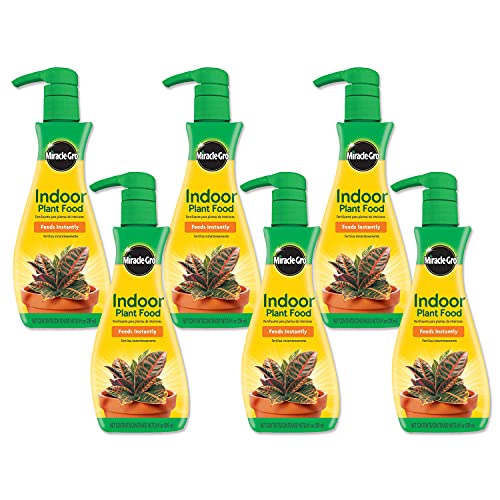
👉 Miracle-Gro Indoor Plant Food Liquid — Gentle enough for hydroponic setups and easy to mix into your water jar.


Step 6: Maintain & Refresh Regularly
- Change the water weekly.
- Rinse roots gently to remove slime.
- Trim off any dead or brown roots.
- Refill with clean water and reposition the plant for even light exposure.
If roots start crowding the container, you can either move the plant into a larger jar or repot it in soil for faster growth (see Repotting Spider Plants Made Easy — your earlier article link).
🌿 Common Problems in Water-Grown Spider Plants
Even though water propagation is easy, a few issues can occur if not managed properly.
1. Brown Leaf Tips
Usually caused by fluoride or chlorine in tap water.
✅ Fix: Use distilled or filtered water and trim affected leaves.
2. Slimy Roots or Cloudy Water
This indicates bacterial buildup.
✅ Fix: Rinse the roots thoroughly and clean the container with mild soap before refilling.
3. Stunted Growth
This happens when plants don’t get enough nutrients.
✅ Fix: Add a balanced liquid fertilizer once a month to supplement minerals.
🌸 Styling Ideas for Spider Plants in Water
A big bonus of growing in water is that you can get creative with containers!
Here are some easy décor ideas:
- Boho touch: Use glass bottles with macrame hangers.
- Modern minimalist: Use clear test tube racks or sleek bulb vases.
- Natural chic: Add pebbles or colored stones at the bottom for visual appeal.
Check out our post on Spider Plants Indoor Decor Ideas for more creative styling inspiration!
🌤️ Indoor vs Outdoor Water Care Tips
Spider plants grown indoors in water thrive with filtered light and consistent warmth.
Outdoors, however, evaporation happens faster — so water levels need frequent refills.
✅ Indoor Tip: Place near a bright window but avoid harsh noon sun.
✅ Outdoor Tip: Use a shaded porch or balcony spot where temperature and humidity are stable.
For outdoor care details, read Spider Plant Care Outdoor — another helpful guide from this series.
🌿 Expert Tips for Long-Term Success
- Use clean glassware only. Bacteria loves stagnant water.
- Add aquarium charcoal to prevent odor buildup.
- Rotate jars every few weeks for even light and healthy root symmetry.
- Prune regularly to prevent overgrowth and encourage baby spiderettes.
- Avoid copper or metal jars — they can react with water and harm roots.
💚 Personal Insight: Why I Love the Water Method
After years of growing spider plants in both soil and water, one thing stands out — the transparency of growth. You can literally watch new roots forming and baby shoots sprouting!
It’s a simple yet satisfying process that feels like a living art display. For people new to plant care, growing spider plants in water is the perfect confidence booster. Minimal mess, maximum joy.
🪴 Final Thoughts
Whether you’re propagating new plants or growing full-sized ones, spider plant care in water is an easy and rewarding journey. It’s beginner-friendly, eco-conscious, and adds a modern charm to your indoor décor.
With a little attention to clean water, gentle light, and occasional feeding, your spider plants will stay healthy, vibrant, and beautifully green — no soil required! 🌿
If you love this method, explore our related guides:
👉 Spider Plant Propagation in Water
👉 Fertilizing Spider Plants for Healthy Growth