

Spider plants (Chlorophytum comosum) are one of those charming, low-maintenance plants that bring life to any space — indoors or outdoors. But when it comes to growing spider plants outdoors, a few special care tweaks can make a big difference. Whether you’re placing them on your balcony, patio, or hanging baskets, understanding how they react to outdoor conditions will help your spider plants flourish all season long.
🌤️ Can Spider Plants Grow Outdoors?
Absolutely spider plants love the outdoors! In fact, they often grow bigger and stronger when placed outside. The key, however, is giving them the right light, temperature, and water balance.
These plants thrive best in mild climates — ideally between 60°F to 85°F (15°C to 29°C). Too much direct sun or cold winds can cause brown tips or stress. So, choose a partly shaded spot — under a porch, near a wall, or beneath taller plants where they get filtered sunlight.
👉 Pro Tip: If your region experiences frost, bring your spider plants indoors during colder months to protect their tender roots.
🌿 Light Requirements for Outdoor Spider Plants
When placed outdoors, spider plants prefer bright but indirect sunlight.
Direct afternoon rays can scorch the leaves, especially in hot climates. A morning sun + afternoon shade combo works perfectly.
If you notice pale or bleached leaves, that’s a sign your plant is getting too much light. On the other hand, dark green leaves with slow growth may indicate it’s getting too little light. Adjust the placement gradually — don’t shift it from deep shade to full sun overnight.
🪴 Try using a lightweight hanging basket that can be easily moved around for optimal light exposure.
💧 Watering Outdoor Spider Plants
Outdoor air tends to dry out soil faster, so regular watering is essential.
However, spider plants don’t like to sit in soggy soil — overwatering can cause root rot.
✅ Best watering tip:
Water thoroughly when the top inch of soil feels dry. Let excess water drain completely. If your plant is in a hanging pot, ensure it has proper drainage holes.
💡 During summer, you might need to water 2–3 times per week, while in cooler months, once weekly may suffice.
If your local water is heavy in fluoride or chlorine, use filtered or rainwater — it helps prevent brown tips on the leaves.
🌱 Fertilizing Spider Plants Outdoors
Outdoor growth often means more sunlight, airflow, and energy — so your spider plants may need a little nutritional boost!
Feed your plants with a balanced liquid fertilizer (like 10-10-10) every 2–4 weeks during spring and summer. Avoid overfertilizing; too much nitrogen can cause leaf tip burn.
👉 A great option many gardeners love is the Miracle-Gro Indoor Plant Food, which works well for both indoor and outdoor spider plants. It’s gentle and easy to use — just mix it into your watering routine for vibrant, glossy leaves.
🛒 Check Miracle-Gro Indoor Plant Food on Amazon


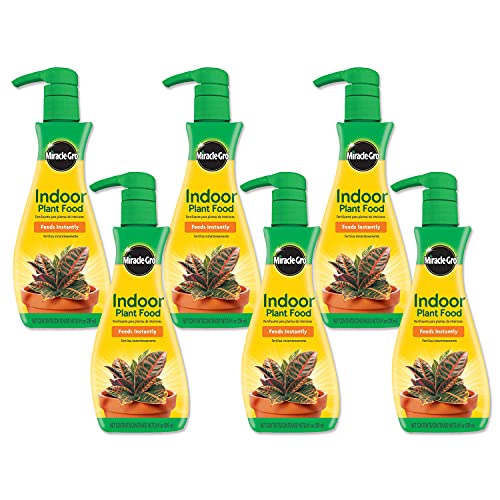
If you prefer organic options, try EarthPods Premium Indoor Plant Food Capsules — they release nutrients slowly and safely, keeping your plant healthy without the risk of overfeeding.
🛒 Find EarthPods Premium Indoor Plant Food Capsules on Amazon
🍃 Ideal Soil Mix for Outdoor Spider Plants

Spider plants thrive in well-draining soil — a mix that’s light, airy, and rich in organic matter.
You can create the perfect blend by mixing:
- 2 parts potting soil
- 1 part perlite or sand
- 1 part compost
This combination promotes drainage while retaining enough moisture for healthy root growth.
If growing directly in garden beds, make sure the area doesn’t hold water after rainfall — spider plant roots dislike standing moisture.
🌬️ Humidity & Temperature Balance
Outdoor humidity generally benefits spider plants — it mimics their natural tropical habitat. However, strong winds or dry summer air can dehydrate the leaves quickly.
To prevent that:
- Mist the leaves occasionally.
- Move pots to a shaded area during extreme heat.
- Group several plants together to retain humidity.
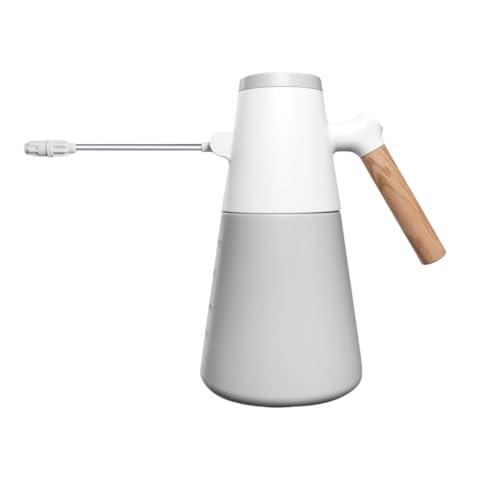
If you live in a hot, dry region, investing in a portable plant mister can help keep your spider plants lush and green.
🛒 See Portable Plant Mister on Amazon


✂️ Pruning & Maintenance
Outdoor spider plants grow faster and may produce plenty of baby offshoots or “spiderettes.”
Trim yellow or dried leaves regularly to keep the plant tidy. You can also snip the baby spiderettes and propagate them in water or soil to create new plants.
Want to learn how? Check out our detailed post — Spider Plant Propagation in Water — The Simplest Way to Grow Baby Plants! 🌱
🧺 Best Outdoor Display Ideas
Spider plants look stunning in:
- Hanging baskets under a porch roof.
- Wall-mounted planters with cascading leaves.
- Window boxes mixed with ferns and pothos.
- Tall garden pots for a fuller, tropical look.
If you love decor inspiration, explore our post — Spider Plant Display Ideas — Beautiful Ways to Style Your Greenery! 🌿
🌼 Common Outdoor Problems (and How to Fix Them)
1️⃣ Brown Leaf Tips:
Often caused by overfertilizing or poor water quality. Switch to filtered water and reduce fertilizer use.
2️⃣ Pests:
Watch for aphids or spider mites. A mild neem oil spray works great for pest control.
3️⃣ Fading Color:
Move your plant to a brighter spot or feed it with a balanced fertilizer.
🌿 Final Thoughts
Growing spider plants outdoors can be incredibly rewarding. With the right light, water, and soil care, they’ll thrive beautifully — sending out lush green leaves and baby offshoots all season long.
Whether in hanging baskets, patio corners, or balcony railings, these easygoing plants never fail to impress.
Give your spider plants a little love and attention — and they’ll reward you with vibrant growth and pure, air-purifying beauty. 🌤️